
MIT lands up to $53 million federal award to build AI-designed weed killers
A federal health-research agency is funding the search for glyphosate alternatives as weeds evolve resistance.
The Massachusetts Institute of Technology said on Nov. 10 that its researchers will lead an effort worth up to $53 million, funded by the Advanced Research Projects Agency for Health, to use generative artificial intelligence to design new weed killers.
The award targets two pressures on American farming at once. Some weeds are becoming resistant to the most common herbicides, and glyphosate, the best known of them, relies on phosphorus the country imports. More than 1 billion pounds of herbicide are applied in the U.S. each year, according to an announcement from MIT News.
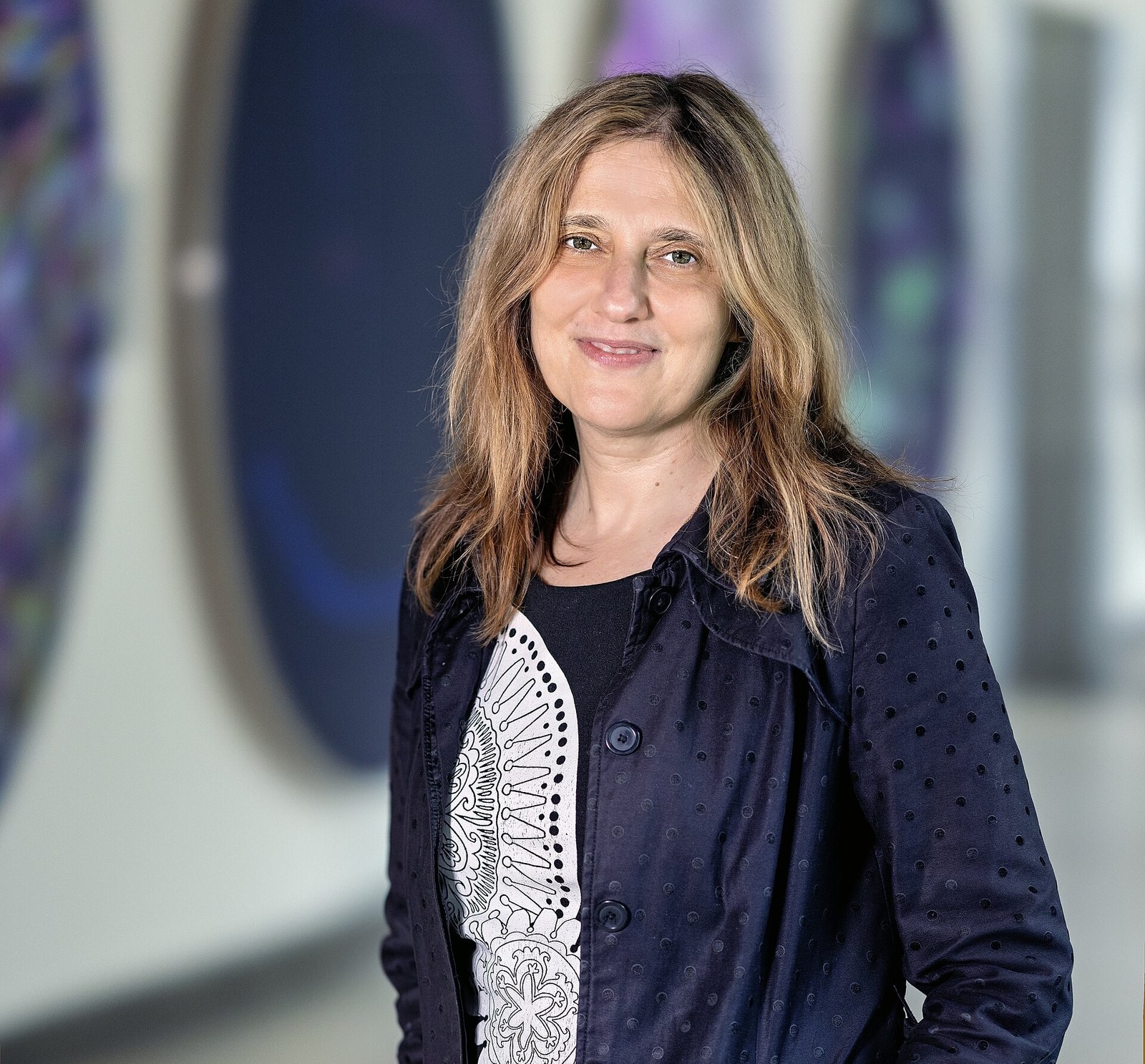
The money comes through the STREAM program at ARPA-H, short for Systems for Tracking and Resilience in Efficient Agricultural-input Management. MIT calls its project Precision Learning for On-target Weed control, or PLOW. The principal investigator is Christopher Voigt, who heads MIT's Department of Biological Engineering.
"With herbicides like glyphosate and atrazine, there’s a real crisis because of resistance mutations that are coming," Voigt said. He added that resistance, combined with security concerns over the supply chain for herbicide ingredients, could leave the U.S. without chemicals he described as essential to high crop yields and economical prices.
Health is the second driver. MIT said exposure to herbicides may contribute to a higher risk of cancer, metabolic and endocrine disorders and other harms. Farm workers are exposed through frequent use, and many U.S. residents take in small amounts through food and drinking water, the university said.
The science starts with the enzymes existing products attack. Glyphosate works by interfering with EPSP synthase, an enzyme plants use to make several critical amino acids. After years of use, some weeds have acquired genetic mutations that let them withstand it. That makes the chemical less effective and puts crop yields at risk.
The work is split among three teams. The first will build AI models that predict molecules, either chemical compounds or small interfering RNA, that block the same plant enzymes glyphosate and other herbicides target. The models will also score candidates on cost to synthesize, the chance of triggering resistance and the risk of harm to people or ecosystems.
Regina Barzilay, the School of Engineering Distinguished Professor for AI and Health at MIT, leads that modeling group with Connor Coley, the Warren K. Lewis Associate Professor of Chemical Engineering at MIT, and Alexander Tropsha, the K.H. Lee Distinguished Professor in the UNC Eshelman School of Pharmacy.
The models are expected to generate billions of possible candidates. A second team will screen them at high speed to find the molecules that hit their targets. Angela Koehler, an MIT professor of biological engineering, leads that work with Jaime Cheah of the Broad Institute of MIT and Harvard. Voigt said the screening data will be fed back to the modelers to improve their predictions.
A third team will take the narrowed pool into greenhouse studies under different agricultural conditions. It includes Neal Stewart and Scott Lenaghan, co-directors of the Center for Agricultural Synthetic Biology at the University of Tennessee at Knoxville; Patrick Tranel of the University of Illinois at Urbana-Champaign; Tim Willson of the UNC Eshelman School of Pharmacy; and Andee Wallace, the founder and CEO of Robigo.
The group also plans to build living microbial systems that break down agrochemicals before they reach food, soil or waterways. Engineered bacteria and fungi would turn the chemicals and formulation ingredients into biomass, which MIT described as a scalable way to reduce human and environmental exposure.
The first greenhouse tests of initial RNA interference candidates are expected to be finished by the end of the program's first year, MIT said.
Sources
- MIT News · https://news.mit.edu/topic/agriculture
- ARPA-H · https://arpa-h.gov/
- Department of Biological Engineering · https://be.mit.edu/
- MIT-led team receives funding to develop next-generation alternatives to modern weed killers · https://news.mit.edu/2026/mit-led-team-receives-funding-next-generation-alternatives-modern-weed-killers-1110
Corrections: team@1nfluenc3.com
How we source and correct: Editorial Standards. Spot an error? Corrections.