
Beyond the Apex: Inside the Room Where Athletes Ask What Comes After the Peak
On the Thursday of Formula One race week, an invitation-only room at The Stirling Club asked athletes, investors and founders a question most of them had never been asked: what comes after the peak?
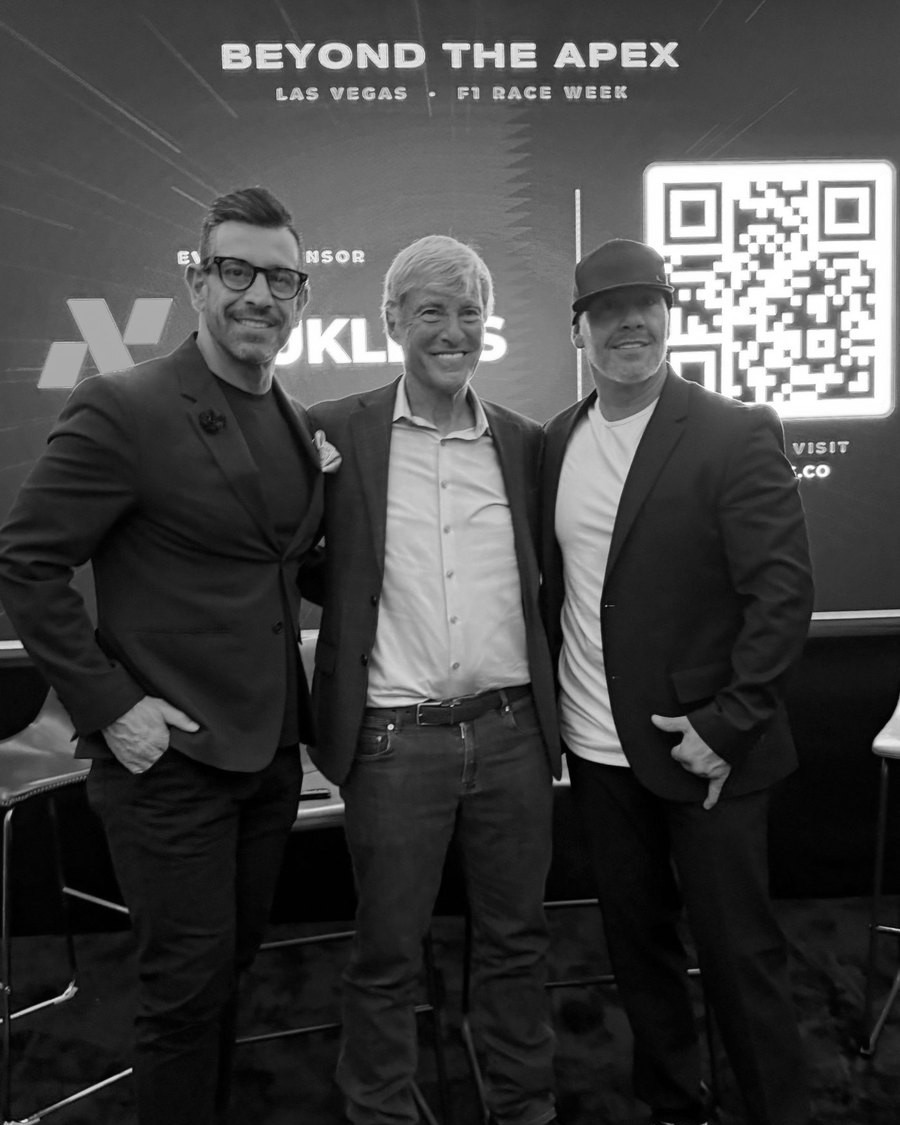
LAS VEGAS — Most of this city spent Thursday, Nov. 19, looking at a racetrack. Off the Strip, about 50 people sat down at five round tables inside The Stirling Club and talked about something harder to measure: what a high performer does once the thing that defined them is over.
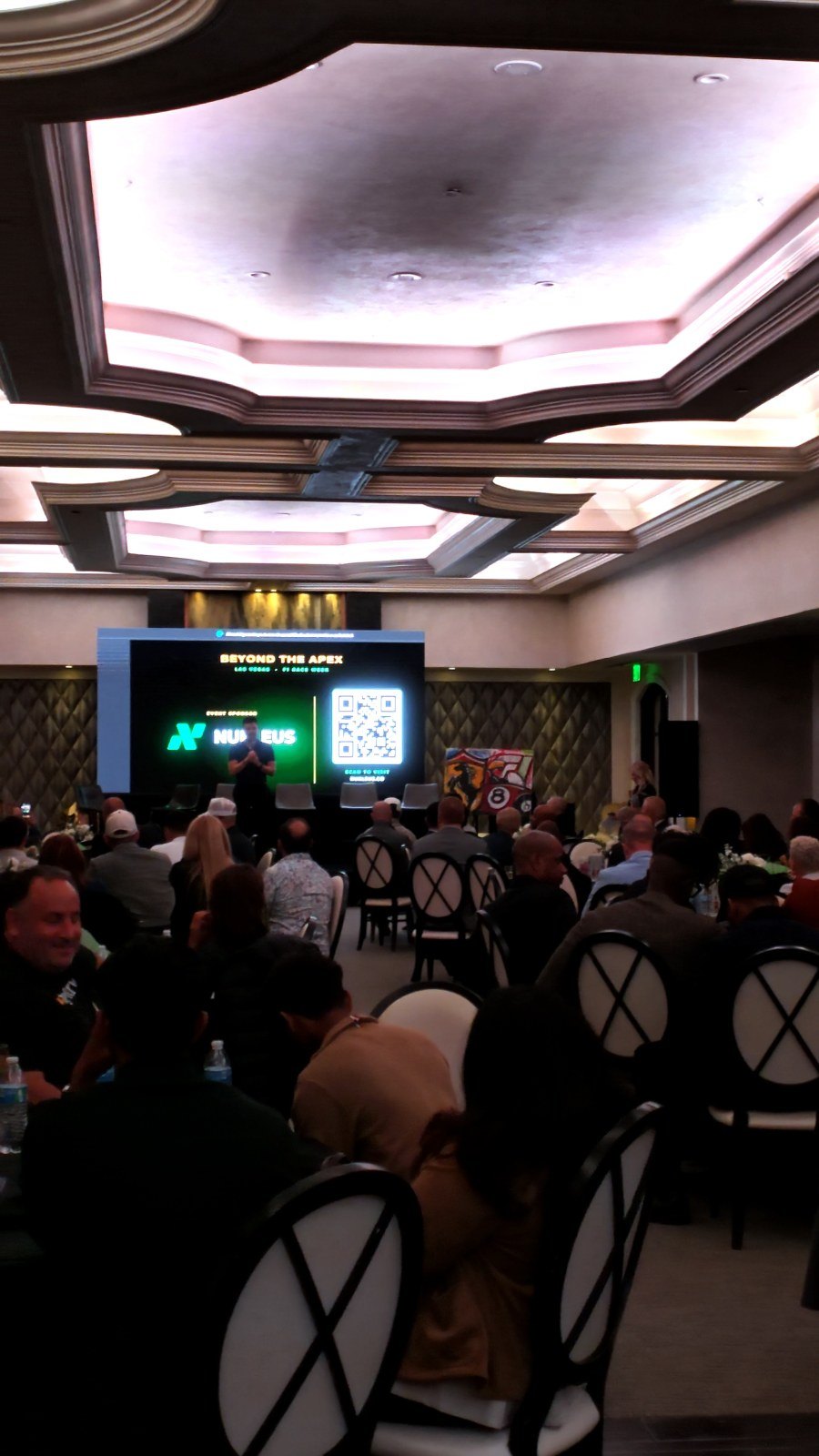
The gathering was Beyond the Apex, billed as “Where Performance Becomes Legacy.” It ran for eleven hours in one room, from a 1 p.m. check-in to midnight. There was no open registration. The afternoon held 50 vetted guests; by night, the organizers say, about 300.
The name comes from racing. The apex is the point in a turn where a driver commits to the line that carries them out of the corner. The event’s argument is that, for an athlete or a founder, the peak is that apex, not the finish line.
“It’s called Beyond the Apex for a reason. We reach what we’re shooting for, and then we find ourselves there, and then what’s the next question?” — Brian Slade, the afternoon’s opening speaker
The room builder
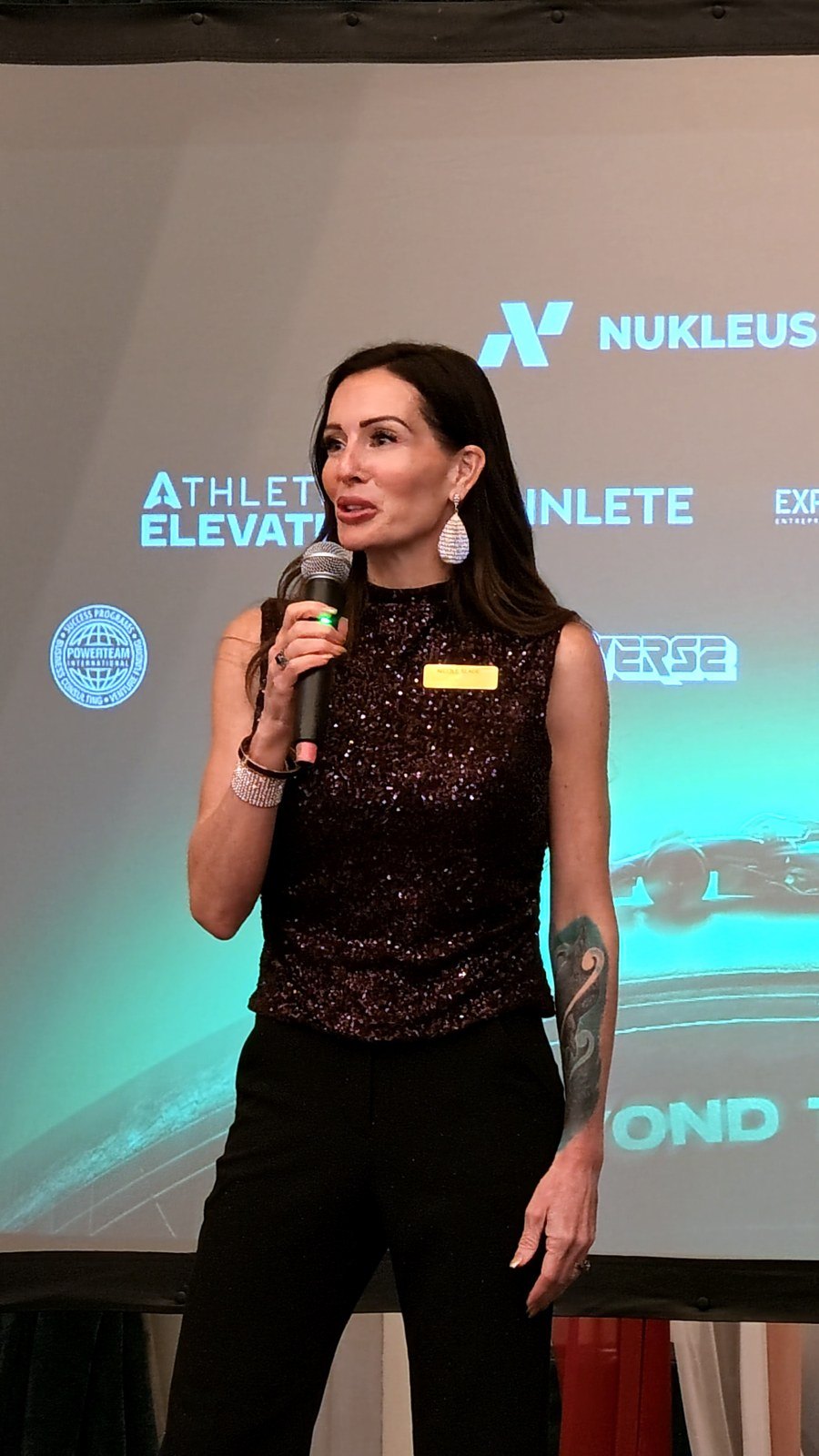
The person nearly every speaker thanked was Nicole Slade. She is a founding partner of Beyond the Apex and vice president of business development at Nukleus, the sports-career platform that presented the event with The Players Company. Her fellow founding partners are Kesi Gibson, executive director of the Club Debut Foundation, and Josh Barney, CEO of the Sports Entertainment Alliance in Technology (SEAT).
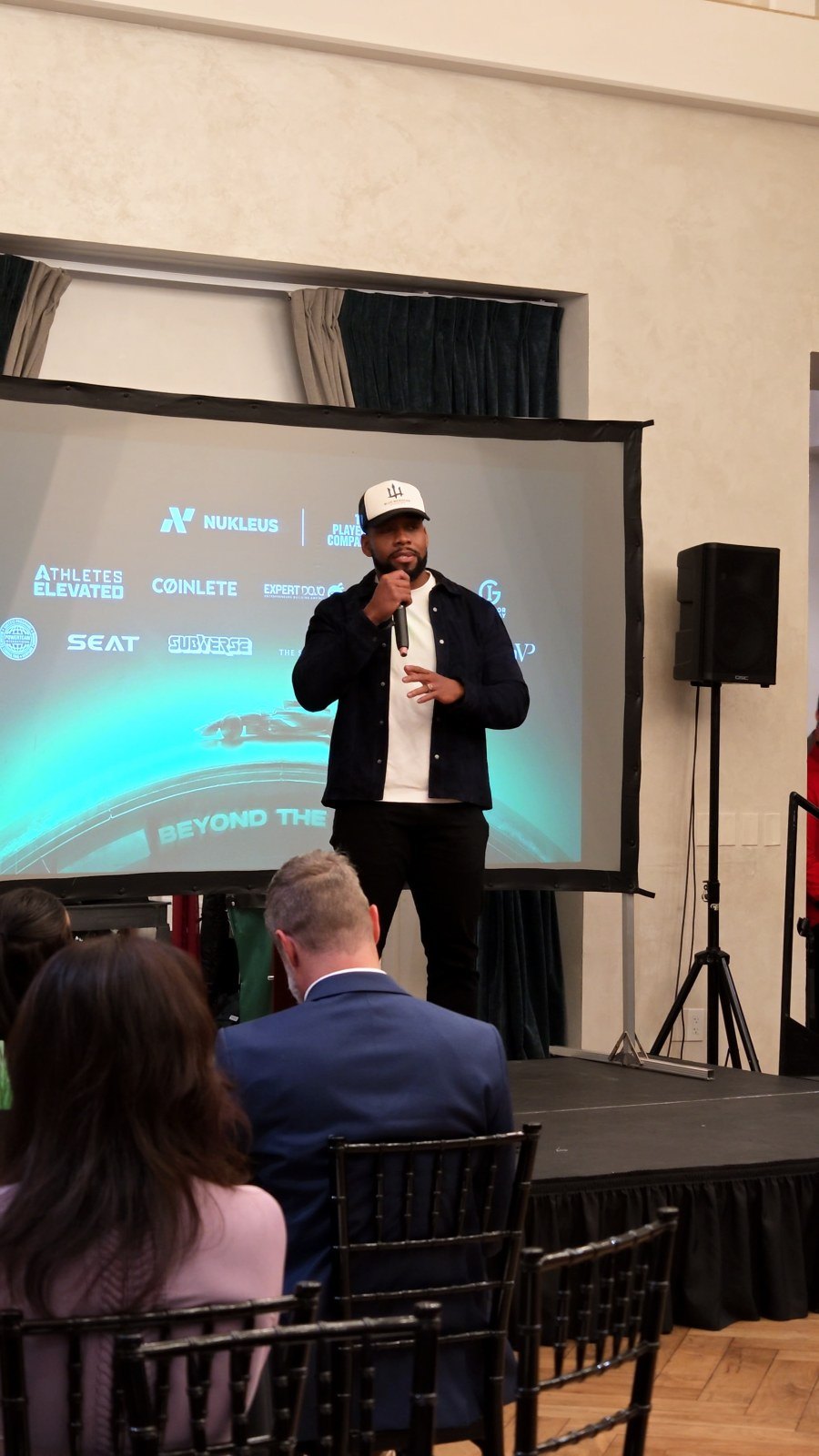
Slade opened the program on stage, microphone in hand, while guests were still arriving through a weather delay. “Thank you guys so much for being here,” she told the room. “I could not have pulled this off.” Later, actor and Blue Meridian Studios founder Mustafa Speaks stopped his own talk to point back at her. “Before I get started with me, let’s give honor to the reason we’re all here,” he said. “Nicole Slade.”
The guest list is the product. The organizers balance seven kinds of guest on purpose: professional athletes; family offices, allocators and venture investors; founders; ultra-high-net-worth individuals; entertainment and culture figures; strategic partners; and what they call “impact architects.” No table is meant to be all one type. “Some audiences can be bought,” the event’s site says. “This one has to be assembled.”
Her husband, who spoke first, put it more simply. “What my wife does very well is curate a room of amazing people,” he said. “I just kind of hang out and get to hang out with awesome people because of what she does.”
The question on stage
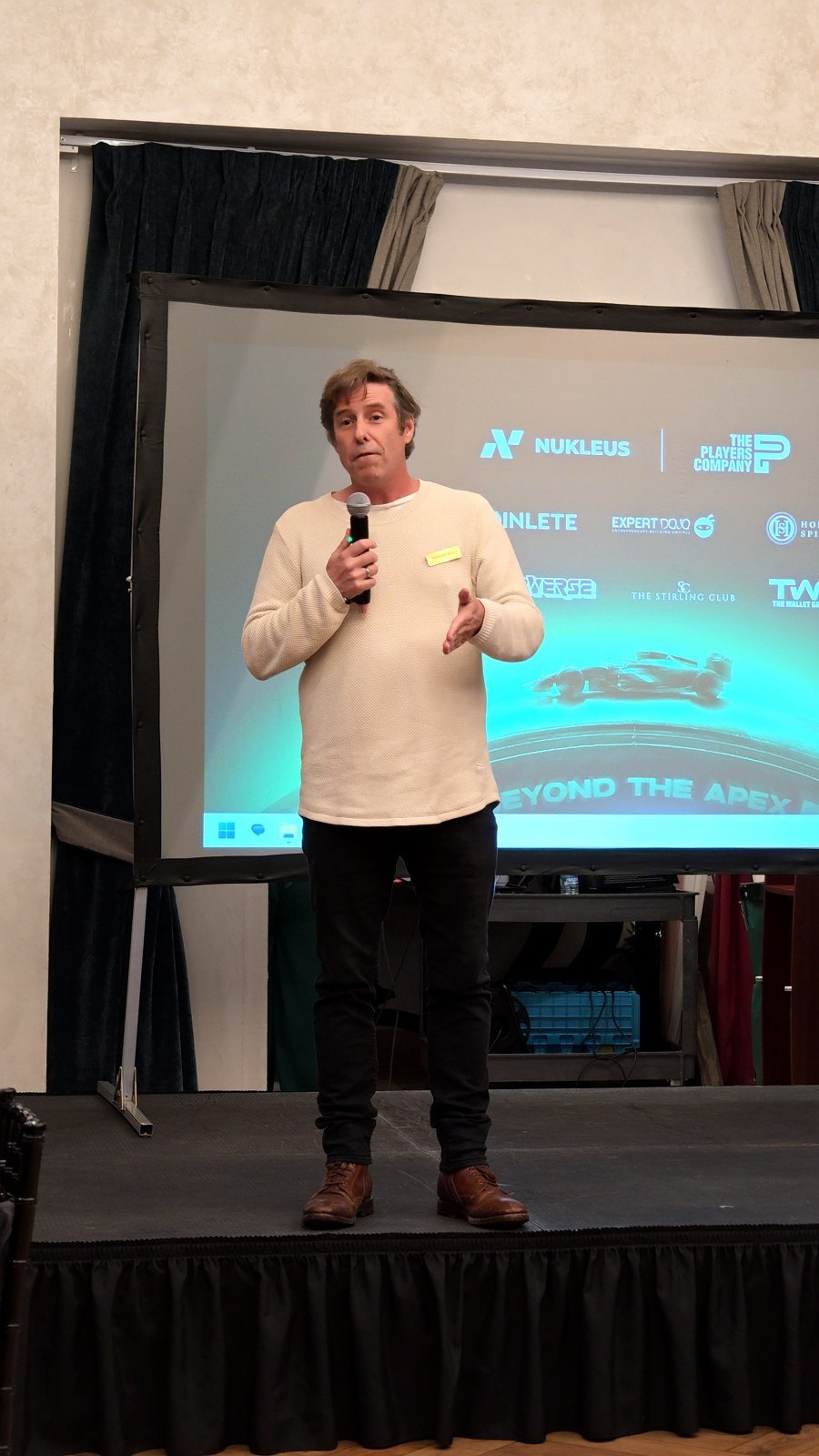
That first speaker, Brian Slade, introduced by Tony, a co-owner of The Stirling Club, is a combat veteran, real estate developer and professional investor; Tony said he was one of the first investors in his company. “For veterans to be able to share their stories is difficult,” Tony told the room. “The best veterans I know are the ones that are super quiet.”
Brian told one anyway. In 2007 he commanded an Apache helicopter company that had been deployed for almost 23 months and was “about ready to go home” when a new mission came down: “the largest air assault in OEF history to that point.” His company was picked to lead it.
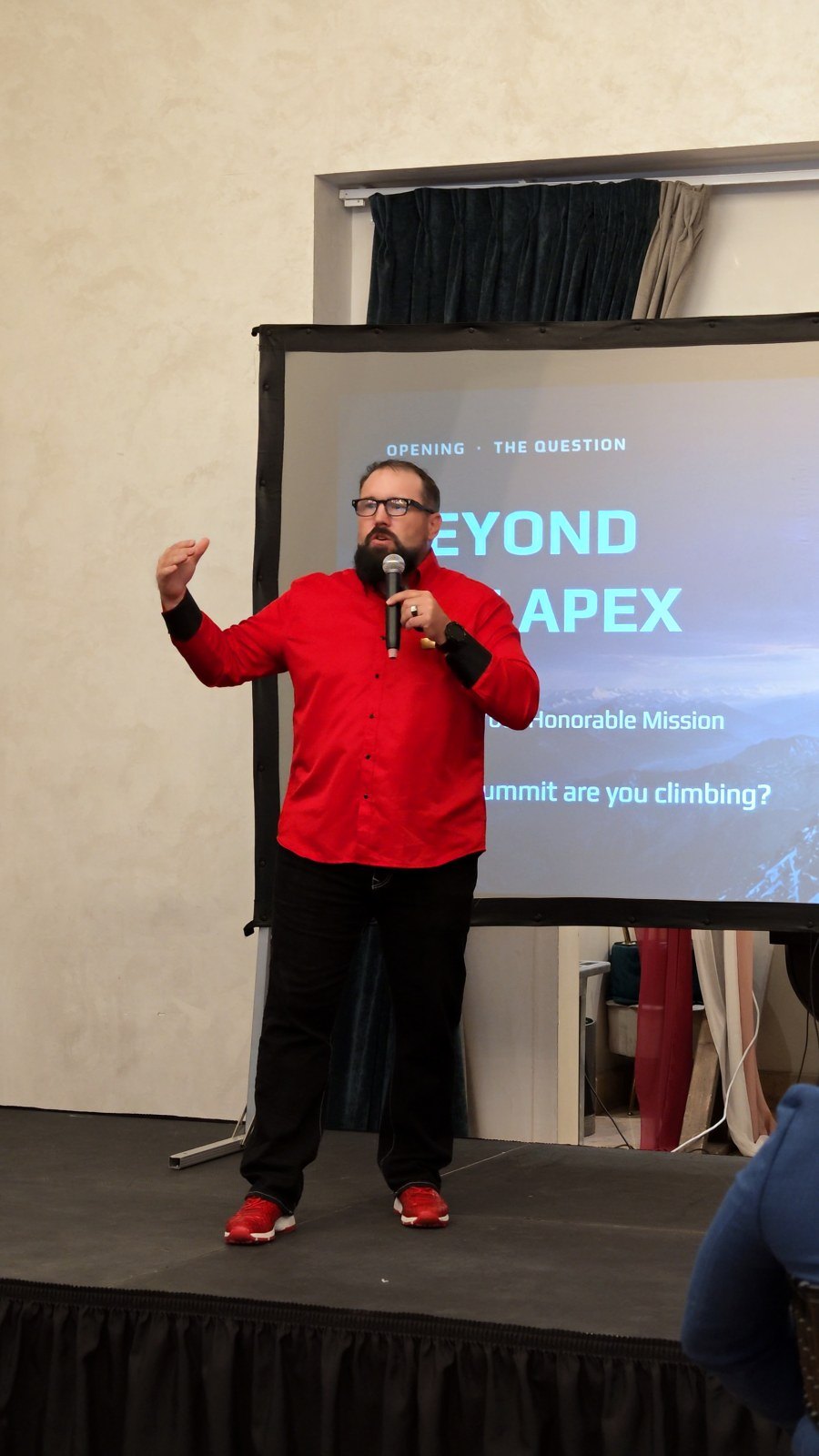
He tied the war story to the room. Nearly every guest raised a hand when he asked who had spent their life driven toward a goal. “In here, it’s concentrated,” he said. The point of the day, he argued, was to turn that drive into something that lasts: “Not just, hey, hang out… But, hey, let’s create something.”
The Inner Circle
The afternoon, which the organizers call Act I or “The Inner Circle,” ran as two facilitated breakouts at five tables of ten, with firesides and a keynote in between. The first breakout asked everyone the same question, in turn and without interruption: what is an experience that shaped who you are, and what do you care more about because of it?
Richie Hosein, the 1NFLUENC3 host, framed the breakouts for the room. “This is about giving back,” he said, “and seeing how you can help others.”
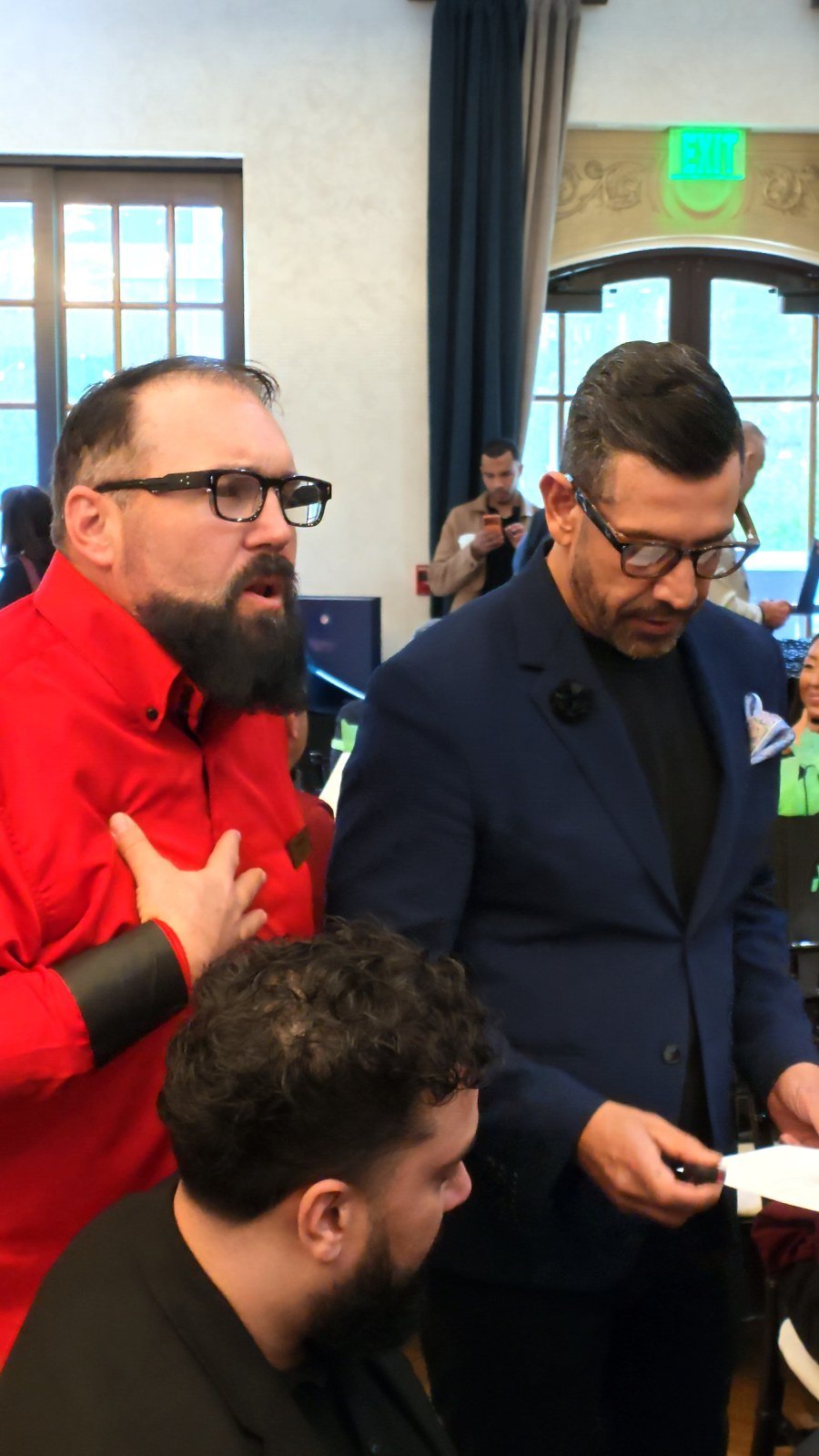
Brian Mac Mahon, founder and managing partner of the Santa Monica accelerator Expert Dojo, took the stage with an investor’s bluntness. He has made more than 266 early-stage investments, according to the event. “I booked my flight for 6 a.m. tomorrow morning,” he said. “That’s how good today is gonna be.” Then he laid out the terms of the day: “We’re here to make money, we’re here to make friends, and we’re here to help other people. Somewhere in that order.”
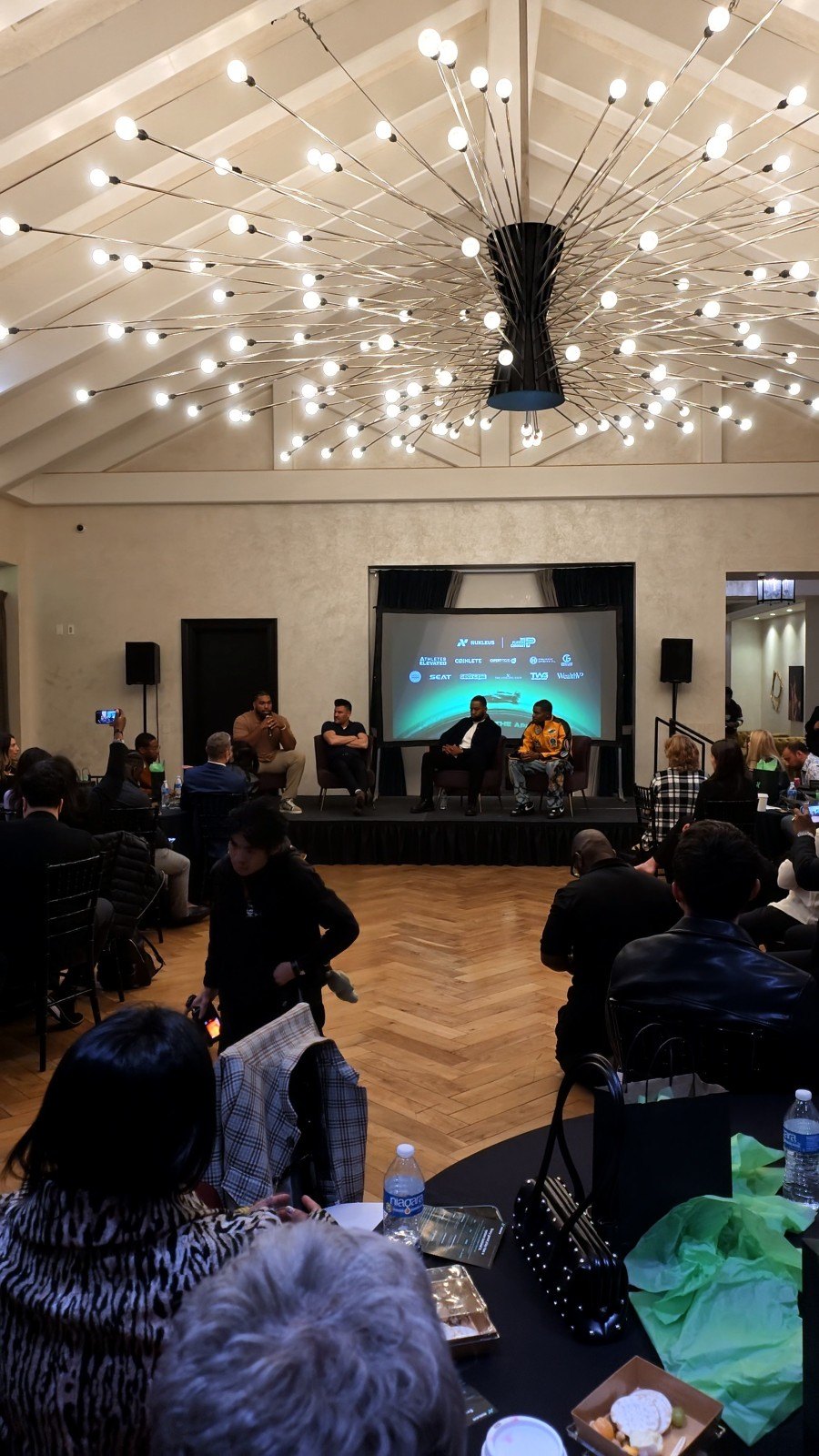
A fireside on sport and what comes next named the problem the whole event was built around. “The embarrassment we have in common is the transition out of the game,” one panelist said. “And it is one of the toughest things for a lot of athletes.”
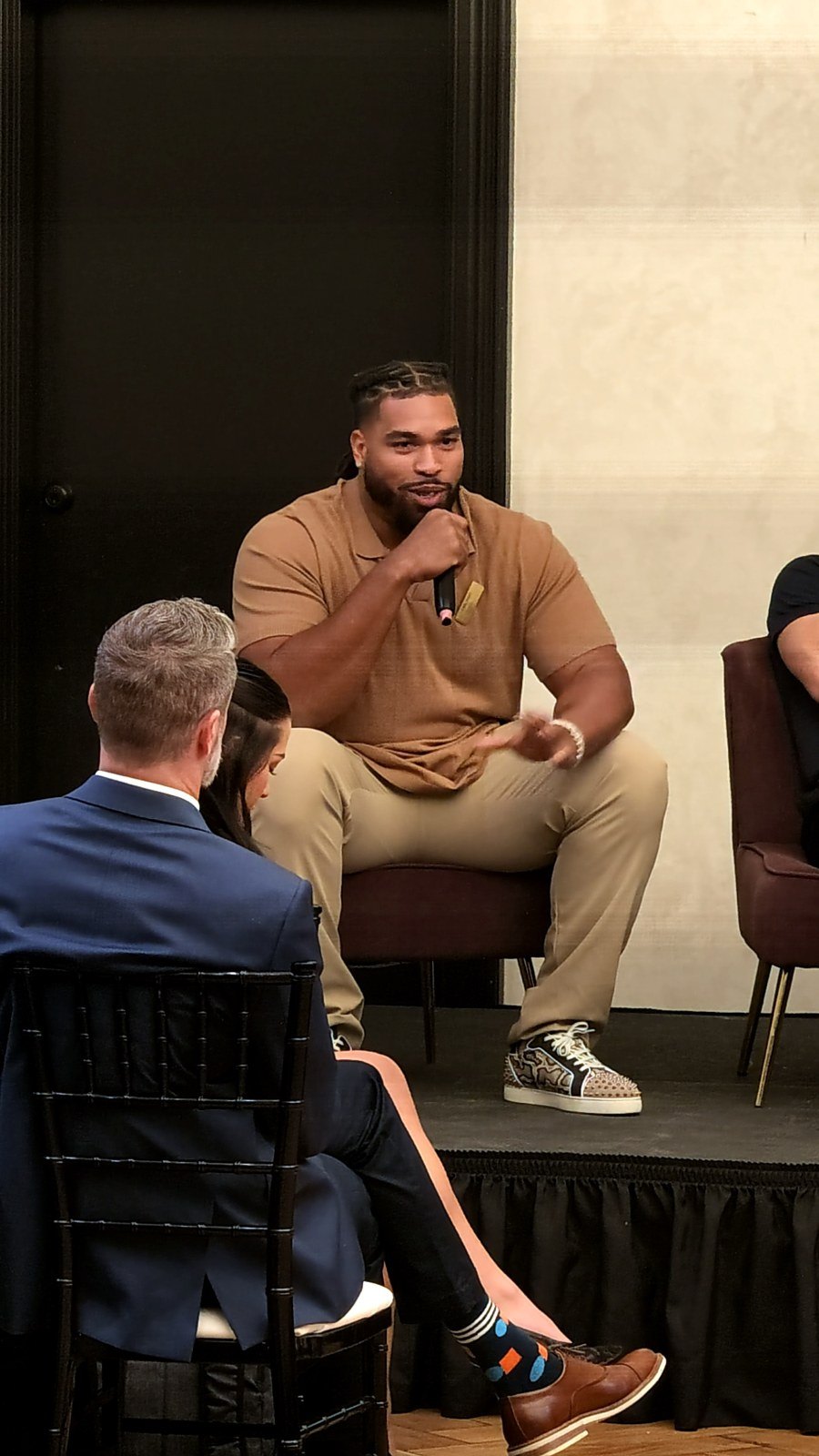
On that panel sat Carl Davis Jr., the NFL defensive lineman, who has already built a life beyond the field. “I have multiple businesses. I want them to know that.”
The keynote
The keynote belonged to Tim Storey, the author, speaker and life strategist known for helping people come back from setbacks. His slide read “The Real Storey.” His talk ran on a five-step sequence he repeated until the room said it with him: believe, expect, receive, become, release.
He asked how many in the room felt they had been in a fight the last couple of years, and hands went up. “We don’t quit,” he said. “We are fighters.”
Then came the line guests were repeating at dinner. “You are about to have the best three years of your life,” Storey said. “Your life is gonna get so good, it’s going to be weird.”
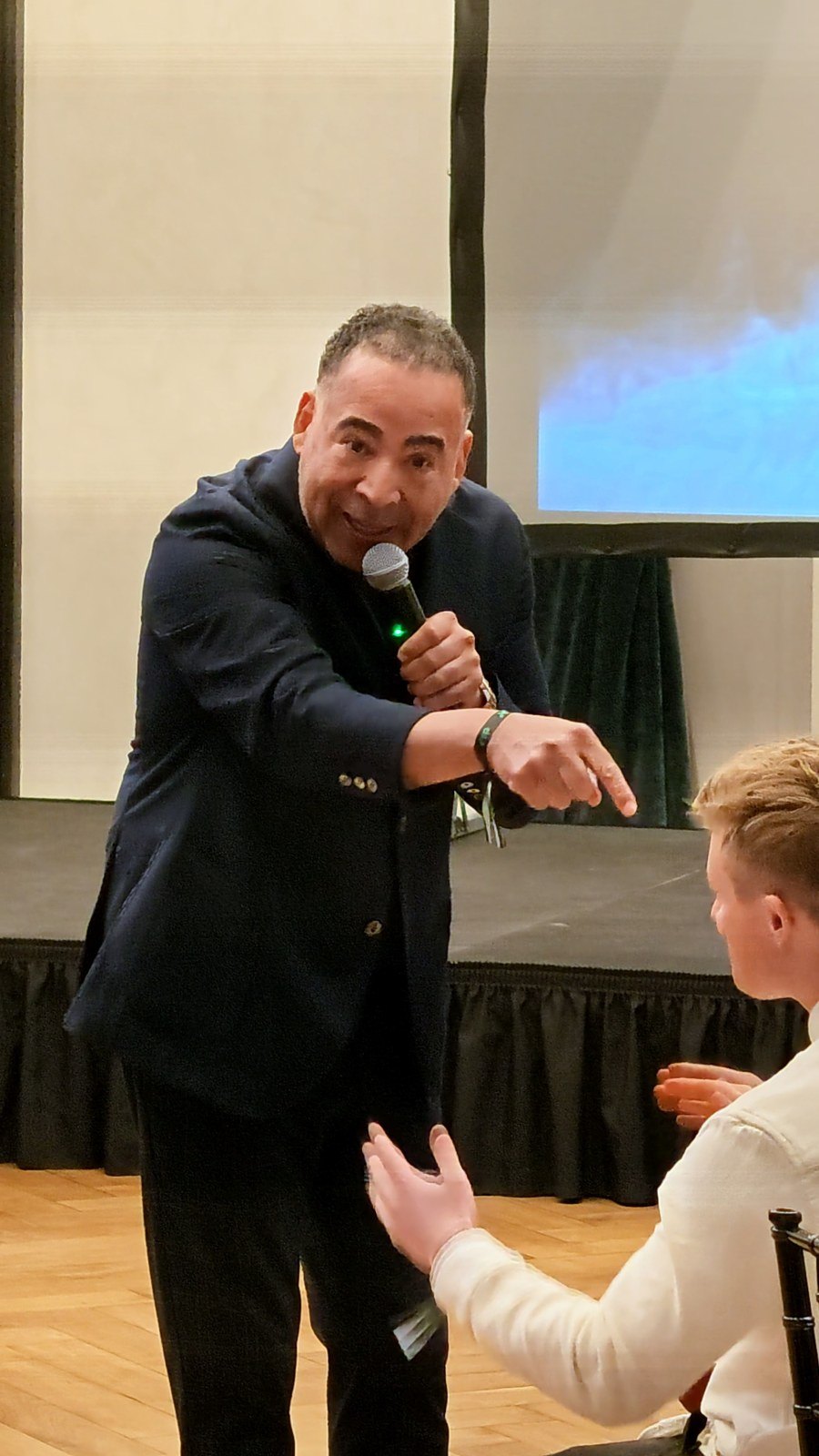
He closed on giving rather than taking. He described a friend, a billionaire founder, who keeps asking him the same thing: “Tim, tell me what you need.” Storey asked who in the room wanted to be in a position to say that to someone else, “so I can help you change this world.”
On the floor
Between sessions, Hosein worked the room with a microphone. Jaime Elizondo spent 22 years as a professional football coach. He said he won championships in the Canadian Football League and learned around “the Tom Bradys, the Drew Breeses, the Bill Belichicks.” He walked away from coaching to be there for his eight-year-old daughter. “Now I come into companies and I elevate the team,” he said, “because everything’s about the team.”
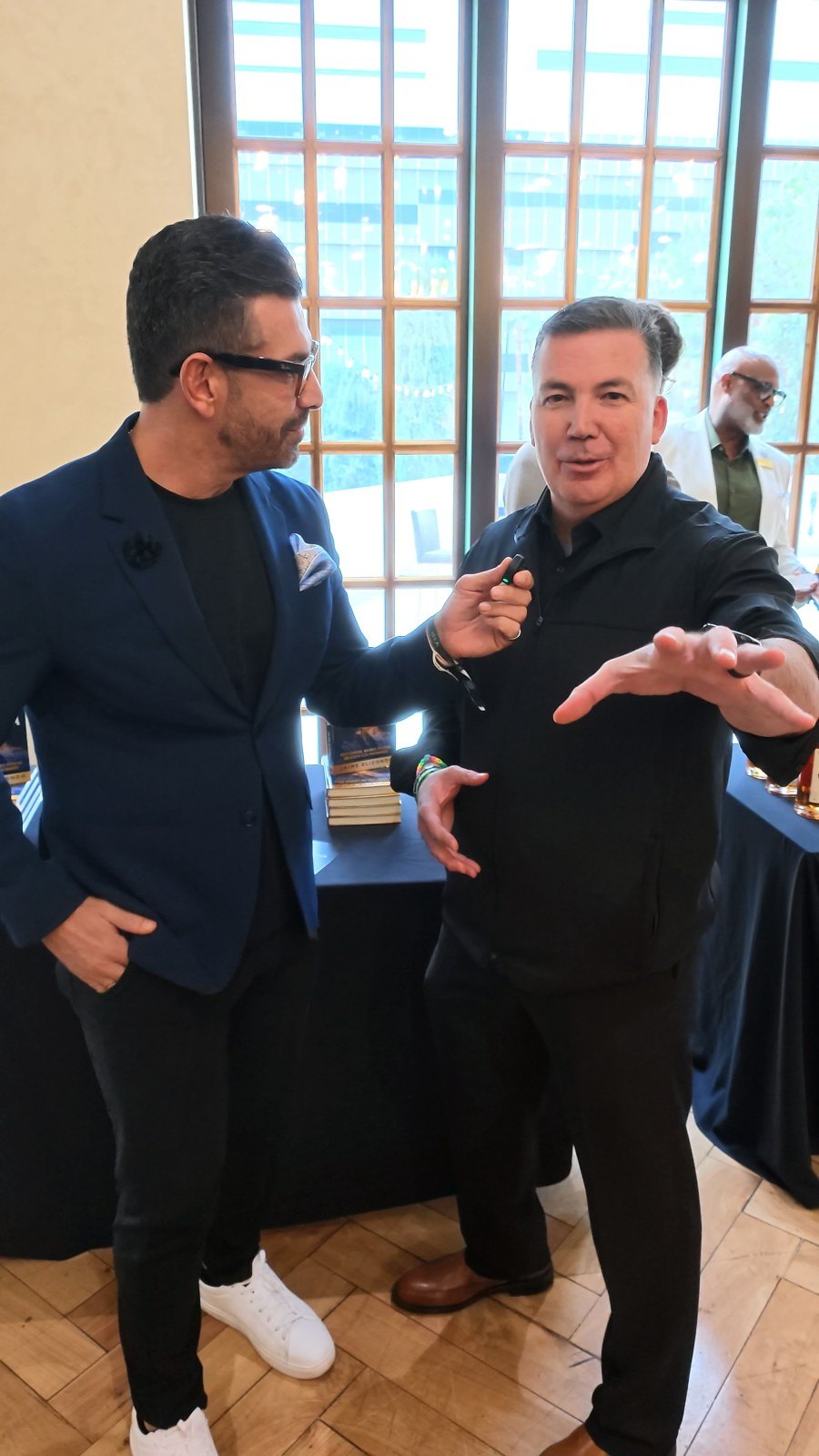
Matt Hollings, who came with the Wallet Group, described his work as matchmaking. “My expertise is looking at everybody else’s expertise,” he said, “and how do I get people matched with you.” His theory of networking was simple: “It’s getting to know who you are, not necessarily what you do.”
The room expands
At 7 p.m. the event moved into Act II, “The Room Expands,” and the separately invited evening guest list filled the club for cocktails, a performance by the Hip Hop Entrepreneurship Program and a featured keynote.
Russell Dixon, founder, chairman and CEO of RedHill Realty Investment Management, told Hosein he had a hand in the race the city was hosting that week. “I’m part of Formula One,” he said. “Not as a spectator, but I brought Formula One here eight years ago.” He said he started with the rights to North America and later delivered them back to Liberty Media, and he credited “a great team that brought it together.”
Others came with something to sell. Richard Carrier introduced himself as “Dick Senior.” The name of his brand, Dick Carriers, started as a joke on his son’s lacrosse team. “We’re supporting men with great underwear,” he said.
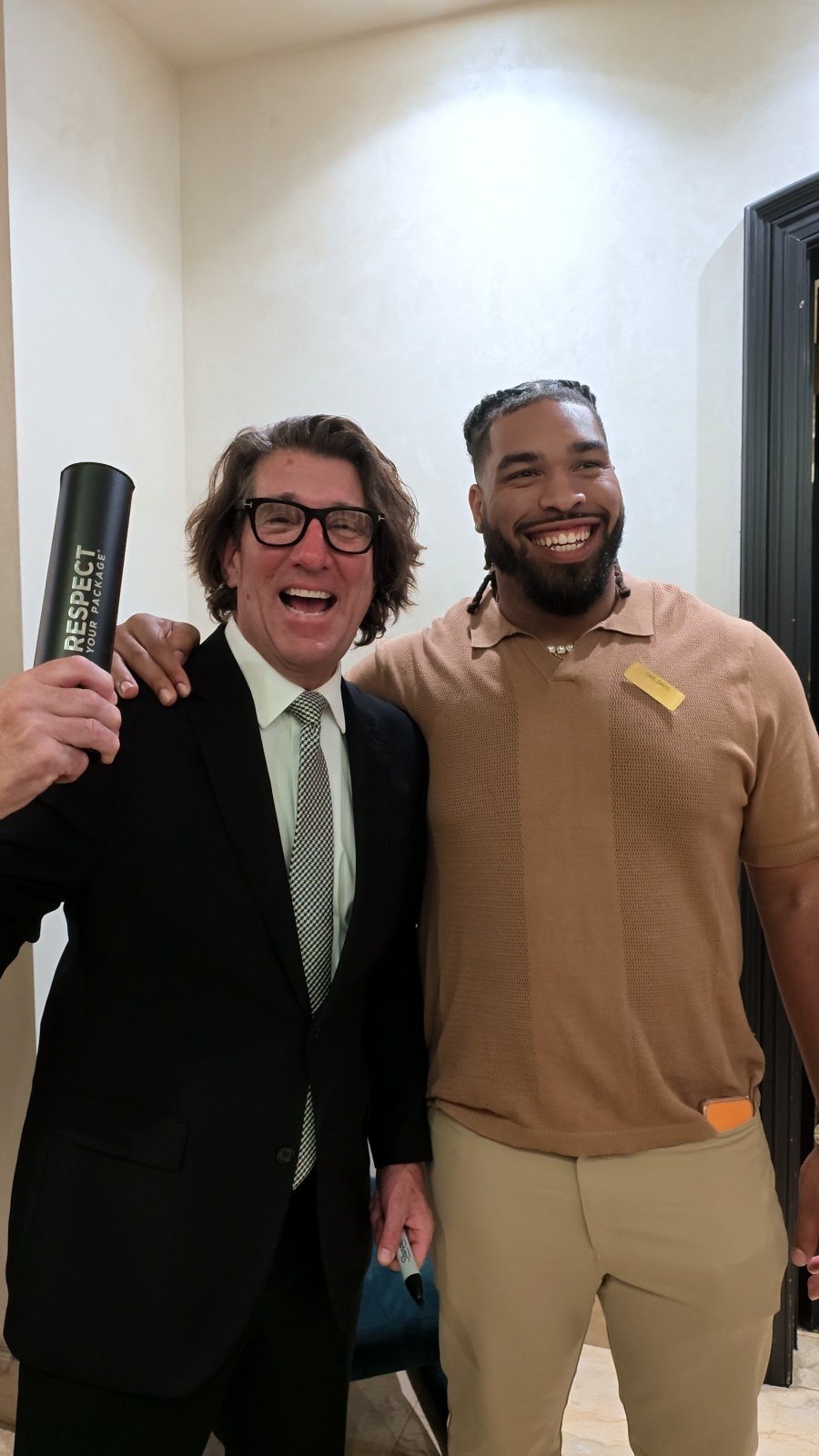
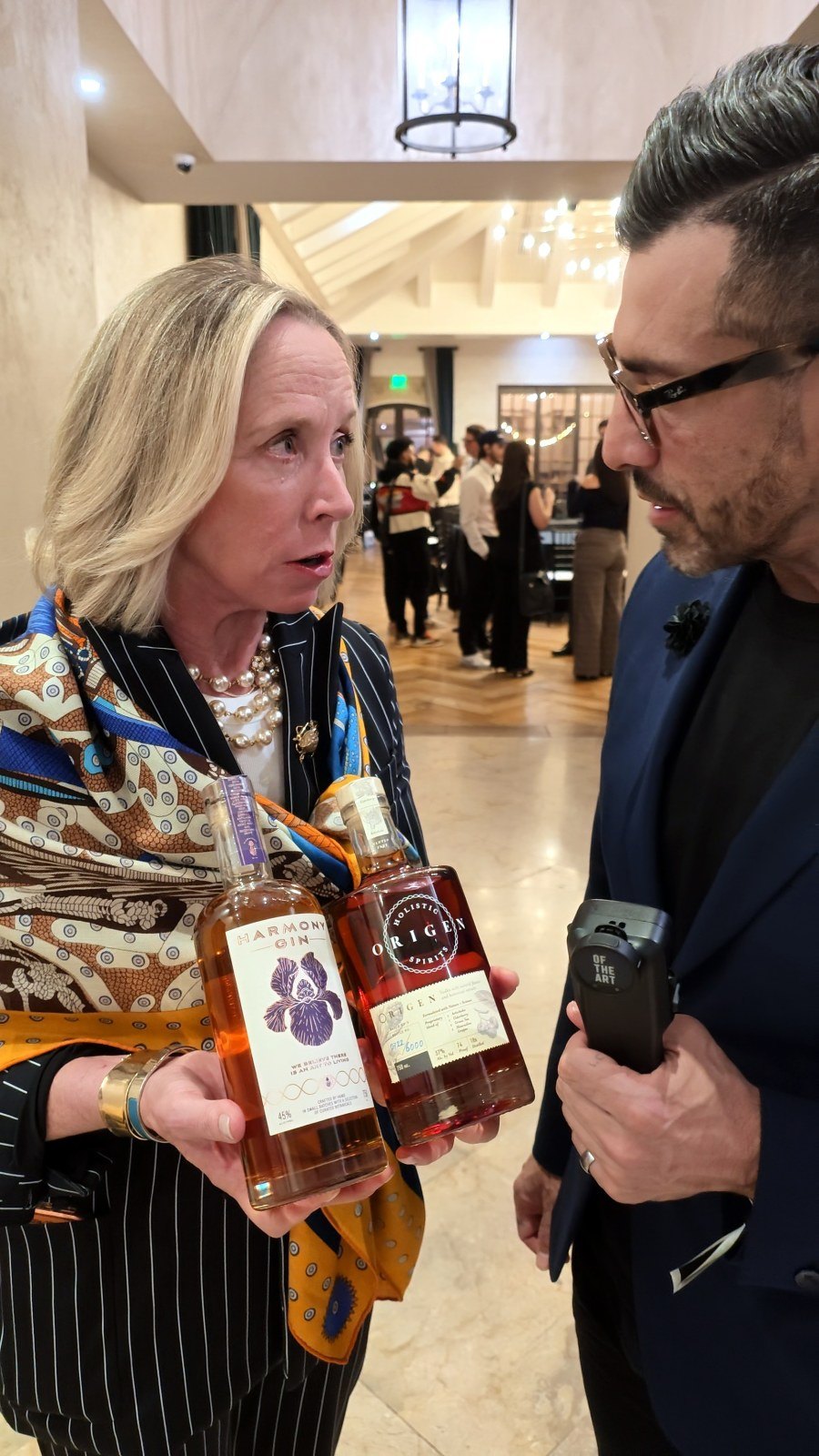
Amy Holmwood, founder and CEO of Holistic Spirits Co. in Park City, Utah, held up two of her bottles. “We’re making alcohol using plant science to try to make it a little bit less bad,” she said. She did not oversell it: “Alcohol is a toxin, so there’s nothing that we can say to make it sound healthy.” Her ingredients, she said, help the body break alcohol down so it is “a little bit less damaging.”
In their words
Nicole Slade, founding partner, Beyond the Apex: “I could not have pulled this off.”
Brian Slade, opening speaker: “We reach what we’re shooting for, and then we find ourselves there, and then what’s the next question?”
Brian Mac Mahon, Expert Dojo: “We’re here to make money, we’re here to make friends, and we’re here to help other people. Somewhere in that order.”
Mustafa Speaks, actor and founder of Blue Meridian Studios: “Let’s give honor to the reason we’re all here. Nicole Slade.”
Tim Storey, keynote: “Your life is gonna get so good, it’s going to be weird.”
Jaime Elizondo, former pro football coach: “Everything’s about the team.”
Carl Davis Jr., NFL defensive lineman: “I have multiple businesses. I want them to know that.”
Amy Holmwood, Holistic Spirits Co.: “Alcohol is a toxin, so there’s nothing that we can say to make it sound healthy.”
Legacy, not the finish
Beyond the Apex promises each guest three things to take home: one meaningful connection, one practical next step and a clearer sense of legacy. Its organizers held a version of the room in Miami before Las Vegas, and they say it only works if it stays small.
For a room full of people who had already reached a peak, Brian’s question from the afternoon was the whole point of the day. They had already reached what they were shooting for. What’s the next question?
Watch the 1NFLUENC3 Event Spotlight from Beyond the Apex above and on 1NFLUENC3 Watch. 1NFLUENC3. News on the people who matter.
Sources
- Beyond the Apex: event overview. Link
- Beyond the Apex: the room. Link
- Beyond the Apex: agenda. Link
- Beyond the Apex: speakers. Link
- Expert Dojo. Link
Corrections: team@1nfluenc3.com
How we source and correct: Editorial Standards. Spot an error? Tell the desk.