
Supreme Court turns away Roberto Clemente's sons in license plate fight
The court also declined Randy Quaid's privacy petition and a Minneapolis takings claim.
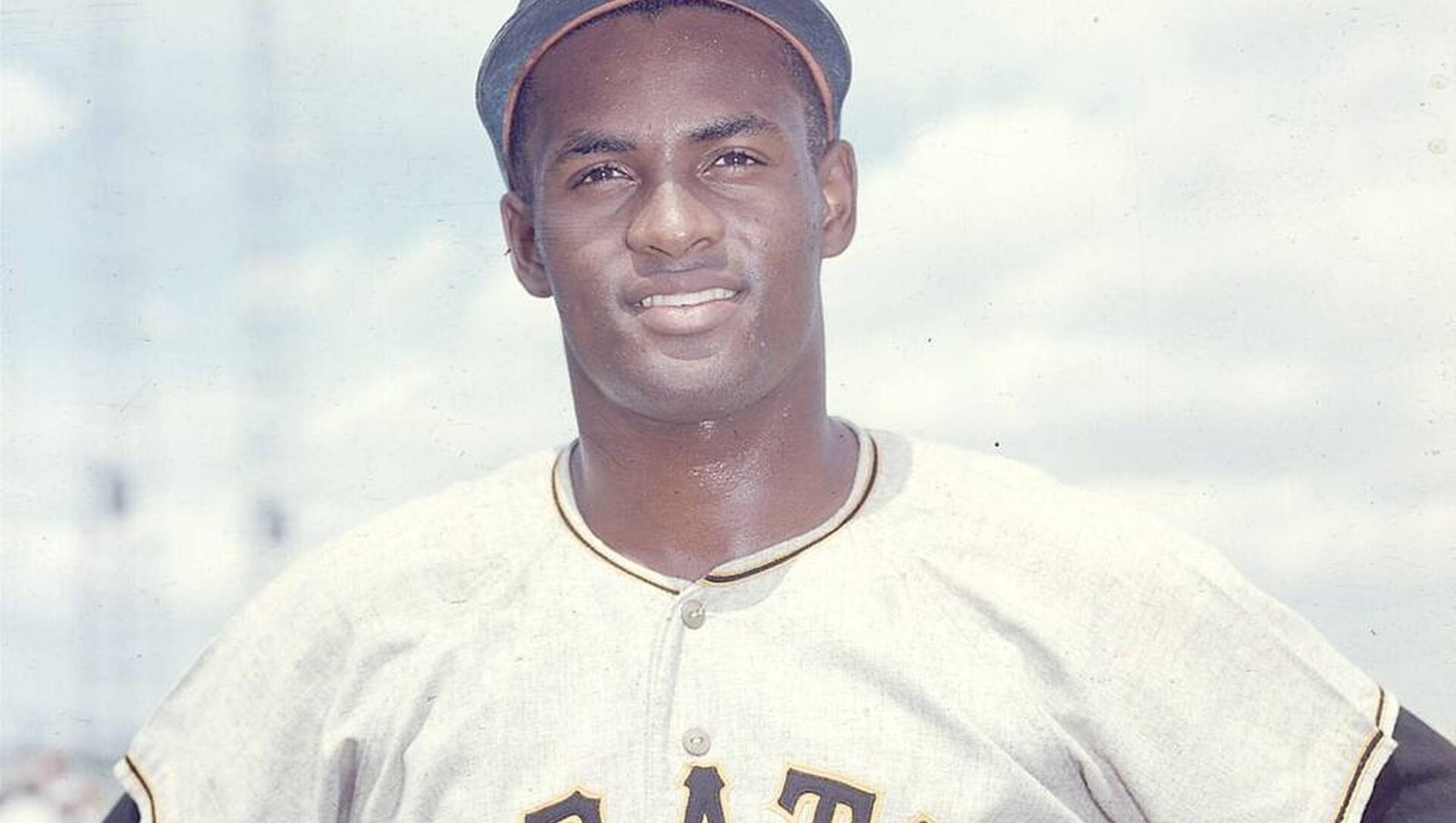
The sons of Roberto Clemente have run out of courts. The Supreme Court on Monday denied review in over 200 cases, including the Clemente family's fight with Puerto Rico over the baseball legend's image on license plates, a privacy petition written by actor Randy Quaid and his wife, and a takings claim from businesses at the Minneapolis intersection where George Floyd was murdered, SCOTUSblog reported.
The denials came on the order list from the court's Nov. 6 conference, released Monday morning. Together they show a court that is choosing carefully which property and privacy fights it wants, even when the parties are famous.
The Clemente case was about who controls a legacy. Clemente's adult sons and companies associated with preserving his legacy challenged Puerto Rico's use of their father's image on license plates and tags. According to their petition, the program raised millions of dollars for the island but also fueled ill will against the family, because residents blamed them for a fee charged during hard economic times. Through the lawsuit, the Clementes sought to block Puerto Rico from using the image in the future and to recover damages.
The U.S. Court of Appeals for the 1st Circuit stopped the family's takings clause claim earlier this year, stressing that the clause, along with federal trademark law, is meant to remedy the taking of property for public use without just compensation rather than to protect legacies. In June, the Clementes asked the justices to take the case and to clarify that the takings clause can apply to intangible property. The court considered the petition at three consecutive conferences before denying it. The case appears on the court's order list as Clemente Prop., Inc. v. Pierluisi-Urrutia.
The Minneapolis petition came from businesses at the intersection where Floyd was killed in police custody in 2020. They said the city blocked the intersection "with concrete barricades" and withdrew police protection, and that the barricades stayed up for more than a year, leading to heavy economic losses and a surge in violent crime. The businesses argued the city violated the federal takings clause and similar protections in Minnesota's constitution by interfering with their operations without compensation. A district court and the Minnesota Court of Appeals rejected the claims, and the Minnesota Supreme Court declined review. The businesses, led by Cup Foods, came to the Supreme Court in August. The justices declined to revive the case without comment.
The Quaid petition stood out for its authors. Randy Quaid and Evgenia Quaid wrote it themselves. They argued that an employee of the Santa Barbara Sheriff's Department sent restricted law-enforcement database material about the couple, including criminal history, warrant-status, mug-shot and jail-record information, to an assistant district attorney, who passed it to a private attorney without a subpoena or court order. The federal district court and the U.S. Court of Appeals for the 9th Circuit ruled against them, holding that the claims were barred by the litigation privilege, a doctrine that prevents lawsuits over communication made as part of a judicial proceeding. The Supreme Court declined to take it up.
Not every Monday order closed a door. In AstraZeneca UK Ltd. v. Atchley, the justices invited the solicitor general to weigh in on whether U.S. terrorism victims may sue 21 of the world's largest pharmaceutical and medical-device companies under the Antiterrorism Act for allegedly aiding and abetting terrorists in Iraq. For now, the request keeps a large corporate liability question open for drugmakers and device makers.
In a separate order, the justices vacated a 10th Circuit ruling in Roybal v. Griffith, an El Paso County, Colorado, jail case over how transgender inmates are treated, and told that court to look again after this year's decision in West Virginia v. B.P.J. and last year's ruling in United States v. Skrmetti. The B.P.J. decision, issued in June, upheld state bans on transgender female athletes competing on women's and girls' teams.
The court is still adding to its docket. On Friday it granted one petition from the same conference, on whether and when a bankruptcy court can refuse to honor an agreement to arbitrate disputes. Arbitration is already on the court's agenda elsewhere, including its earlier grant of review in Goldman Sachs' arbitration fight. More court coverage is in the Law Sector.
Sources
- SCOTUSblog reported · https://www.scotusblog.com/2026/11/court-declines-to-hear-dispute-tied-to-george-floyd-protests-and-cases-involving-former-baseball/
- order list · https://www.supremecourt.gov/orders/courtorders/110926zor_ap6c.pdf
- Goldman Sachs' arbitration fight · https://1nfluenc3.com/law/goldman-sachs-gets-supreme-court-review-of-4th-circuit-arbitration-loss/
- Law Sector · https://1nfluenc3.com/law/
- Court declines to hear dispute tied to George Floyd protests and cases involving former baseball player Roberto Clemente and actor Randy Quaid · https://www.scotusblog.com/2026/11/court-declines-to-hear-dispute-tied-to-george-floyd-protests-and-cases-involving-former-baseball/
- Order List (11/09/2026) · https://www.supremecourt.gov/orders/courtorders/110926zor_ap6c.pdf
Corrections: team@1nfluenc3.com
How we source and correct: Editorial Standards. Spot an error? Corrections.