
Supreme Court conservatives question Labor Department's $500,000 farm order
A ruling for a New Jersey farm could limit how many federal agencies fine businesses without a court.
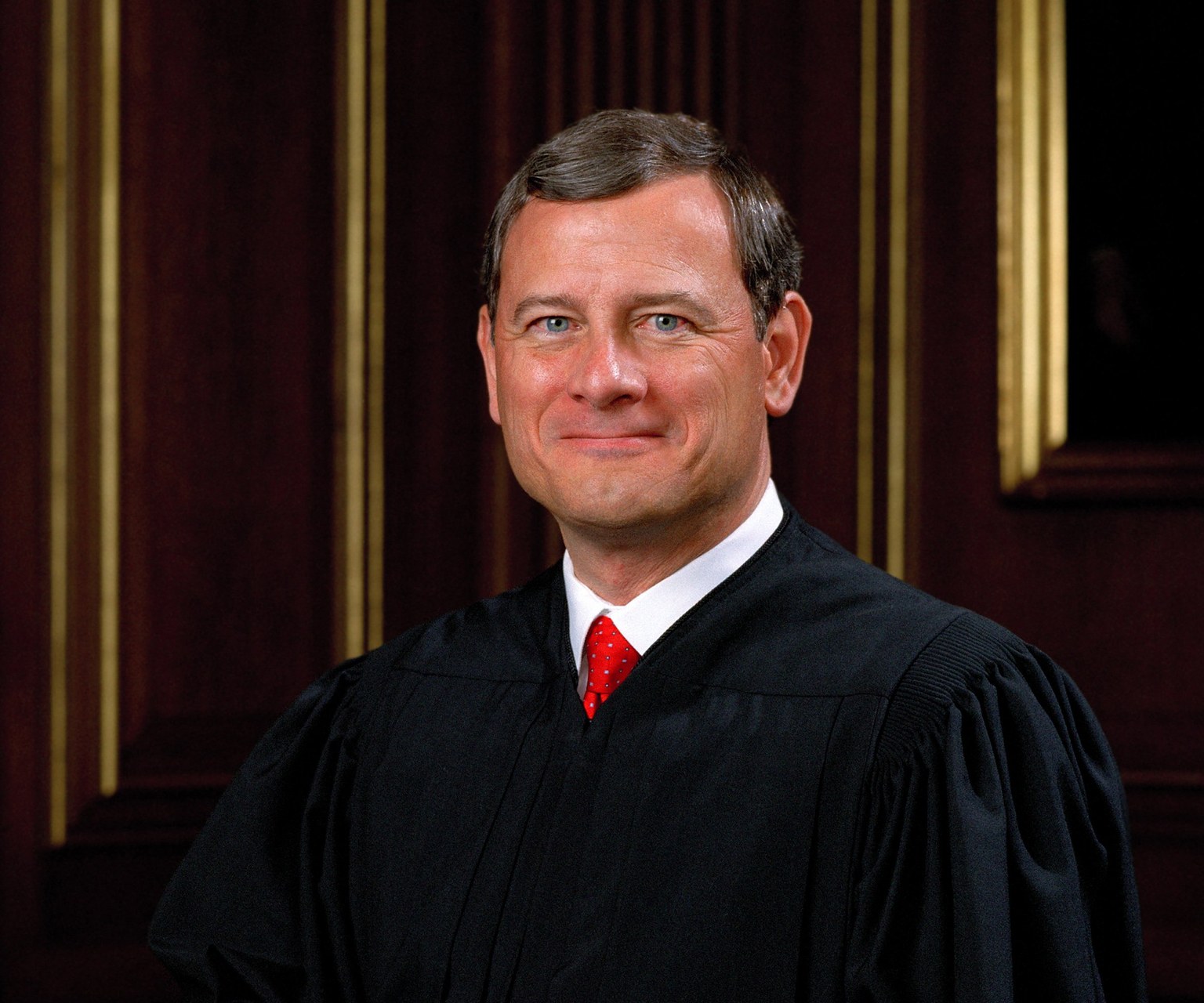
The Supreme Court's conservative justices on Tuesday questioned whether Labor Department judges can order a New Jersey farm to pay more than $500,000 in penalties and back wages over what the department found were violations of a seasonal farmworker visa program, Bloomberg Law reported.
The answer could reach well past agriculture. The case could undermine the ability of many federal regulators to fine businesses that violate federal law, NPR reported, and the government's lawyer warned that a loss could upend programs from Medicare and Medicaid to federal student loans. The case also turns on the court's 2024 ruling in SEC v. Jarkesy, which an appeals court applied to throw out the farm's penalties.
Sun Valley Orchards LLC hires seasonal workers through the H-2A program, which lets American farms bring in foreign workers on temporary visas only if the Labor Department confirms that too few qualified U.S. workers are available and that local pay and conditions will not suffer. After reviewing the farm's 2015 growing season, the department found that Sun Valley had provided infested housing, failed to give workers required kitchen access and fired some before their contracts ended, according to a case summary from Cornell Law School's Legal Information Institute. Sun Valley disputes the charges, NPR said.
The department first ordered $212,250 in civil penalties and $369,703.22 in back wages. An administrative law judge upheld the findings and trimmed the figures to $211,800 and $344,945.80, and the department's Administrative Review Board affirmed. A federal district court in New Jersey sided with the agency. The U.S. Court of Appeals for the Third Circuit reversed, treating the claims like a contract suit for money that only a federal court may decide. The justices agreed on April 27, 2026, to hear the government's appeal, according to the Supreme Court docket.
Principal Deputy Solicitor General Sarah M. Harris told the court that enforcing the program's terms is a public right Congress can assign to an agency, because it involves immigration and a privilege the government hands out. She leaned on the court's 1909 decision in Oceanic Steam Navigation Co. v. Stranahan, which let officials levy $100 fines on shipping lines for each immigrant with a contagious disease they carried into the country.
Chief Justice John Roberts called that precedent significantly different. He saw no reason to stretch the executive branch's broad power over admitting immigrants to H-2A workers who have already been in the country for months, Bloomberg Law reported. Justice Clarence Thomas said removing a farm from the program for breaking its rules would be a clear way to regulate it.
Justice Brett Kavanaugh went furthest, casting doubt on whether the government can seek such penalties outside court at all. He pointed to the court's 1987 ruling in Tull v. US as a fairly definitive word that civil penalties belong in courts of law. Because judges already review enforcement actions, he said, the main changes for courts would be the standard of review and the number of cases they handle.
The three liberal justices appeared receptive to the government. Justice Sonia Sotomayor likened the H-2A rules to the workplace safety regulations the court let an agency enforce in its 1977 Atlas Roofing decision. Justice Ketanji Brown Jackson told the farm's lawyer he seemed to be fighting what Congress set out to do in protecting domestic farmworkers from being undercut.
Justice Samuel Alito broke from his conservative colleagues on one point. He said the Third Circuit's comparison to a breach-of-contract claim was a stretch, because the foreign workers had no say over the terms of the job order.
Robert E. Johnson of the Institute for Justice, arguing for Sun Valley, said the statute allows penalties but is silent on where they should be decided, and that federal courts, not agency tribunals, should impose them. Enforcement before those tribunals generally moves faster than in federal court, Bloomberg Law noted.
Harris described a ruling that civil penalties must always go to Article III courts as the nuclear option. Sending every case to court, she said, would lead to far less enforcement of the law given the government's limited resources. "It would be a big deal for the government to lose, but an even bigger deal would be to have a mess," she said.
The case drew friend-of-the-court briefs from groups including the AFL-CIO, Public Citizen, the Cato Institute, Altria Group and the Chamber of Commerce of the United States of America, according to the SCOTUSblog docket.
The court has not yet ruled. Harris told the justices that if the government loses, the administration will have to go to Congress, and she asked them to say so plainly so the government could start that work right away.
Sources
- Bloomberg Law reported · https://news.bloomberglaw.com/daily-labor-report/top-us-court-wary-of-dol-in-house-immigration-penalty-power
- NPR reported · https://www.npr.org/2026/11/10/nx-s1-6034950/2026-11-10-nx-s1-6034950-supreme-court-seems-divided-over-federal-agencies-ability-to-fine-for-law-violations
- Legal Information Institute · https://www.law.cornell.edu/supct/cert/25-966
- Supreme Court docket · https://www.supremecourt.gov/docket/docketfiles/html/public/25-966.html
- SCOTUSblog docket · https://www.scotusblog.com/cases/department-of-labor-v-sun-valley-orchards-llc/
- Department of Labor v. Sun Valley Orchards, LLC, No. 25-966, oral argument transcript (Nov. 10, 2026) · https://www.supremecourt.gov/oral_arguments/argument_transcripts/2026/25-966_c07d.pdf
- Top US Court Wary of DOL In-House Immigration Penalty Power · https://news.bloomberglaw.com/daily-labor-report/top-us-court-wary-of-dol-in-house-immigration-penalty-power
- Supreme Court seems split over federal agencies' ability to fine for law violations · https://www.npr.org/2026/11/10/nx-s1-6034950/2026-11-10-nx-s1-6034950-supreme-court-seems-divided-over-federal-agencies-ability-to-fine-for-law-violations
- Department of Labor v. Sun Valley Orchards, LLC | LII Supreme Court Bulletin · https://www.law.cornell.edu/supct/cert/25-966
- Department of Labor v. Sun Valley Orchards, LLC (25-966) | SCOTUSblog · https://www.scotusblog.com/cases/department-of-labor-v-sun-valley-orchards-llc/
Corrections: team@1nfluenc3.com
How we source and correct: Editorial Standards. Spot an error? Corrections.