
FDA rejects Summit's lung cancer drug ivonescimab over survival data
The drug, approved in China since May 2024, slowed disease progression but missed its overall survival goal.
Summit Therapeutics said Sunday that the Food and Drug Administration rejected its lung cancer drug ivonescimab, finding that a gain in progression-free survival was not enough to support approval without a statistically significant improvement in overall survival.
The decision denies the U.S. market its first PD-1xVEGF bispecific antibody, a class with no approved product in the country, BioSpace reported. BioSpace called Summit one of the most prominent biotechs formed through a licensing deal with a Chinese company. Ivonescimab was invented by Akeso Inc. and has been approved in China since May 2024.
The FDA issued what is known as a complete response letter, the agency's formal notice that a biologics license application cannot be approved in its present form, according to Summit's statement. Summit had sought approval for ivonescimab given with platinum-based chemotherapy in patients with locally advanced or metastatic non-small cell lung cancer whose tumors carry EGFR mutations and who had already been treated with an EGFR tyrosine kinase inhibitor.
The agency concluded that substantial evidence of effectiveness had not been shown, Summit said. In its view, the progression-free survival result on its own did not add up to a positive balance of benefit and risk. Summit noted that no regimen approved by the FDA for these patients has shown a statistically significant survival benefit.
The application rested on HARMONi, a global, randomized, double-blind Phase III trial that compared ivonescimab plus chemotherapy with placebo plus chemotherapy. The study had two primary endpoints, progression-free survival and overall survival. It hit the first, which Summit said made it the first global Phase III study of an immunotherapy-based regimen to show a statistically significant progression-free survival gain in this setting.
Survival was the problem. In the primary analysis, the ivonescimab arm showed a positive trend that fell short of statistical significance. Summit said a later post-hoc analysis with longer follow-up found a hazard ratio of 0.76 in the full population, and the same figure among Asian and western patients. In September, the company gave the FDA additional data pointing to a slight survival benefit across the global population, and analysts had been optimistic about approval, BioSpace said.
Summit described the drug's safety profile as acceptable and manageable. It said 16 patients, or 7.3%, stopped ivonescimab because of treatment-related side effects, compared with 11 patients, or 5.0%, who stopped placebo. Four patients, or 1.8%, in the ivonescimab arm died from treatment-related events, against five, or 2.3%, in the chemotherapy-only arm.
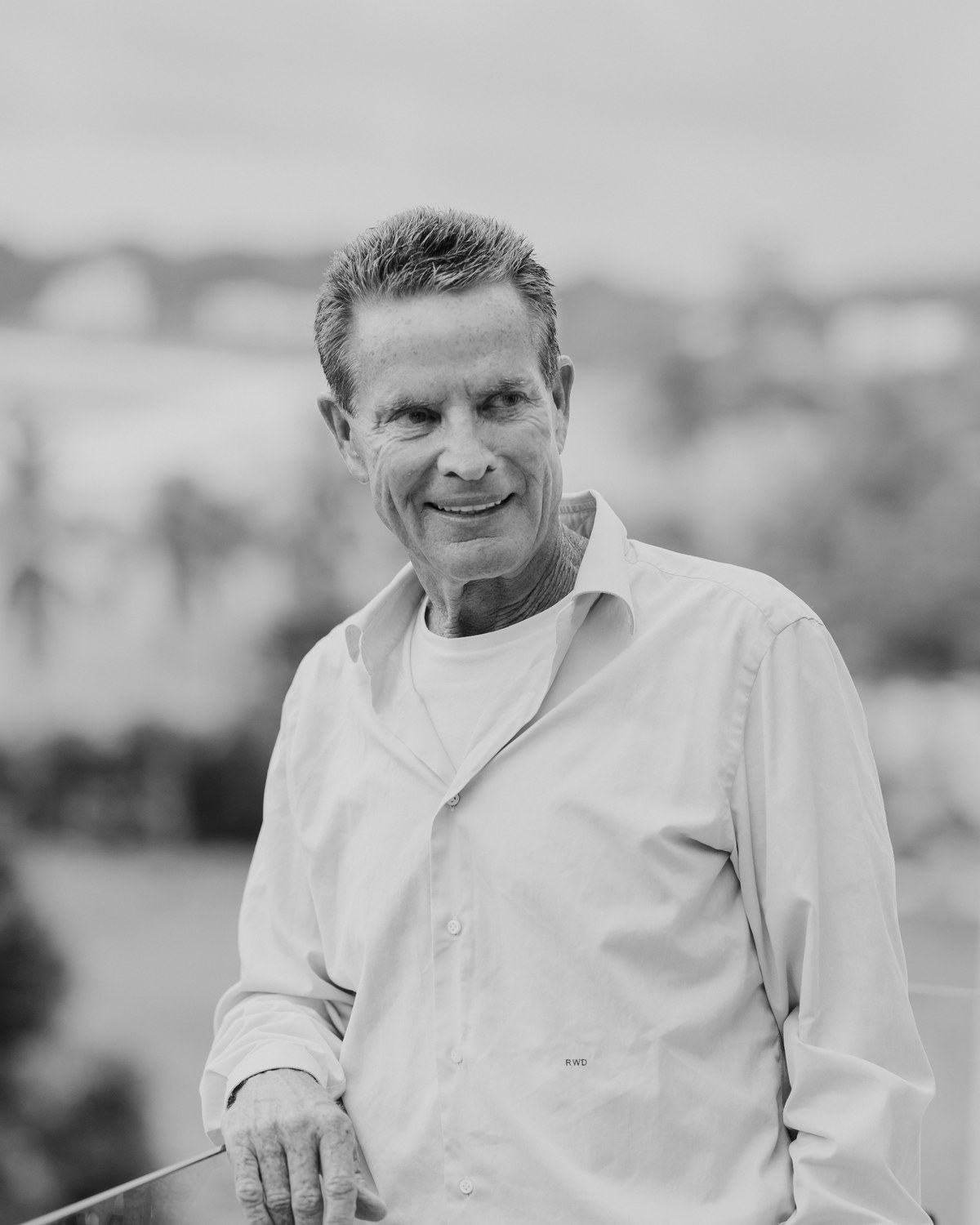
Summit's leaders said the company will keep going. "We are disappointed for patients and their families awaiting additional treatment options in this setting," Chairman and Co-Chief Executive Robert W. Duggan said. He pointed to five positive Phase III studies between Summit and Akeso as the reason the company still believes in the drug.
Dr. Maky Zanganeh, Summit's president and co-chief executive, said that as a cancer survivor she understands why patients need several treatment choices. "Every additional treatment option matters."
Summit, which was founded in 2003 and is based in Miami, holds rights to ivonescimab in North America, South America, Europe, the Middle East, Africa and Japan.
Summit is running Phase III trials of ivonescimab in first-line metastatic lung cancer, including HARMONi-3 with chemotherapy and HARMONi-7 as a single agent in tumors with high PD-L1 expression, along with HARMONi-GI3 in first-line colorectal cancer. Other studies cover urothelial and kidney cancer.
Drugmakers have lined up to test combinations with the antibody. Summit lists partnerships with AstraZeneca and Daiichi Sankyo, Revolution Medicines, GSK and Arcus Biosciences. Akeso has said more than 5,000 patients have received ivonescimab in clinical studies worldwide, and more than 100,000 when commercial use in China is counted.
Analysts expect the PD-1xVEGF market to reach $30 billion by 2032, and Evaluate has estimated ivonescimab sales at $4.4 billion across several uses by 2030, BioSpace reported. Analysts have called the drug a potential rival to Merck's Keytruda after it beat that drug in a head-to-head lung cancer trial in China. Keytruda is approved for more than 40 indications.
China's share of biotech licensing has grown quickly. The country accounts for 56% of total licensing deal value so far this year, up from 10% in 2021, according to BioSpace. For more on drug approvals and biotech deals, see the 1NFLUENC3 Healthcare Sector.
Summit said it will keep developing ivonescimab across its clinical program. Its Sunday release did not set out next steps for the EGFR-mutated lung cancer indication, BioSpace noted.
Sources
- Summit Therapeutics · https://www.smmttx.com/
- BioSpace reported · https://www.biospace.com/drug-development/summits-pd-1xvegf-rejected-by-fda-in-lung-cancer
- Summit's statement · https://smmttx.com/news/press-releases/news-details/2026/Summit-Therapeutics-Provides-Update-Regarding-Ivonescimab-Biologics-License-Application/default.aspx
- Summit Therapeutics Provides Update Regarding Ivonescimab Biologics License Application · https://smmttx.com/news/press-releases/news-details/2026/Summit-Therapeutics-Provides-Update-Regarding-Ivonescimab-Biologics-License-Application/default.aspx
- Summit's PD-1xVEGF rejected by FDA in lung cancer · https://www.biospace.com/drug-development/summits-pd-1xvegf-rejected-by-fda-in-lung-cancer
Corrections: team@1nfluenc3.com
How we source and correct: Editorial Standards. Spot an error? Corrections.