
Biotech groups sue Dr. Oz's CMS to stop Medicare's foreign-price drug rebates
BIO and two California groups say CMS overstepped Congress with GLOBE, a mandatory rebate model starting in weeks.
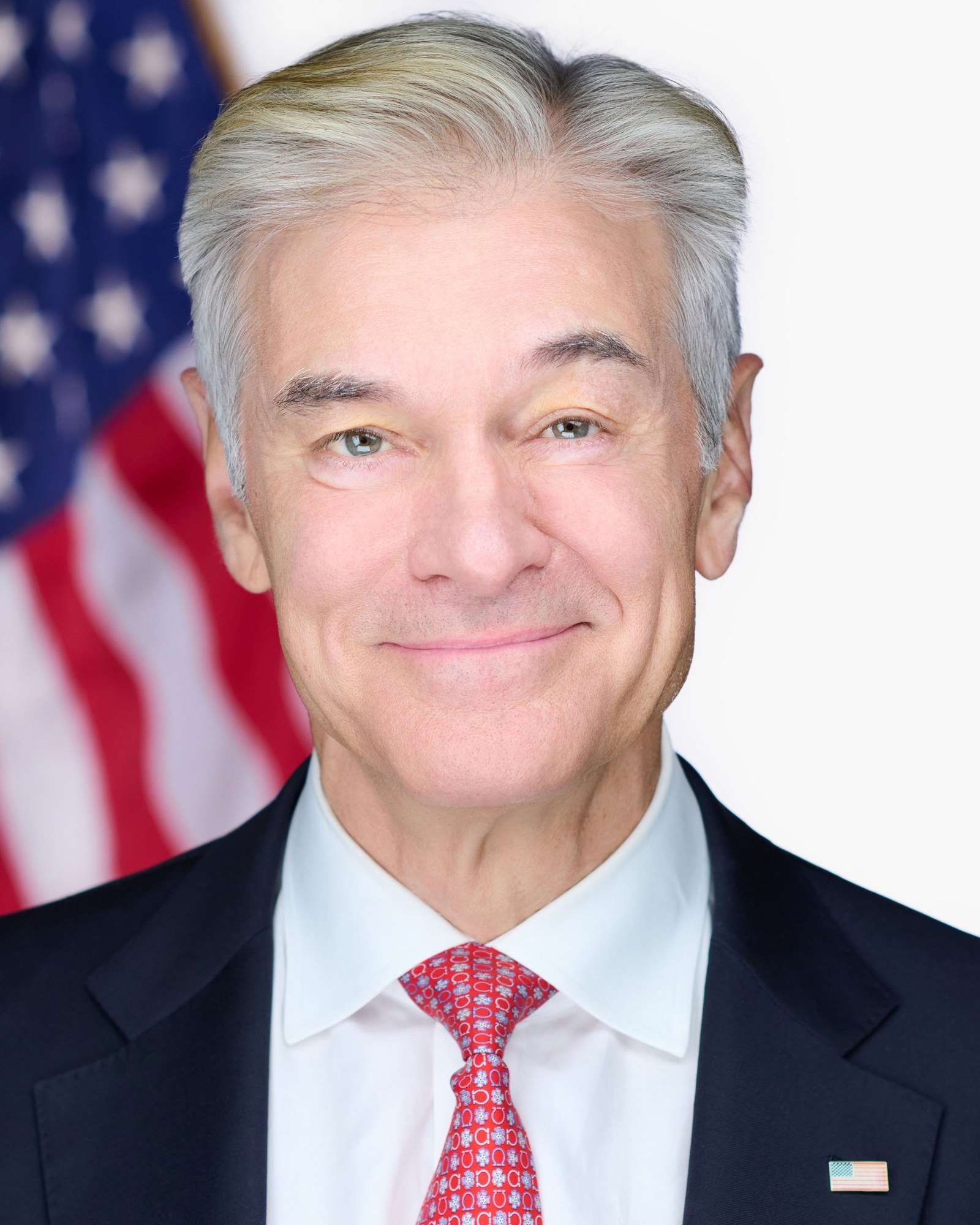
The biotechnology industry has taken Dr. Mehmet Oz to court over the most aggressive drug-pricing experiment Medicare has tried. Three trade groups led by the Biotechnology Innovation Organization filed suit on November 6 in the U.S. District Court for the Northern District of California, asking a judge to set aside a Centers for Medicare & Medicaid Services rule that would make drugmakers rebate the gap between U.S. prices and prices paid abroad.
The rule, called the Global Benchmark for Efficient Drug Pricing Model, or GLOBE, is mandatory. Manufacturers of covered Medicare Part B drugs are not permitted to opt out, according to the complaint. The plaintiffs, BIO, Biocom California and California Life Sciences, say they collectively represent more than one-third of America's biotech companies. They argue CMS exceeded the authority Congress gave it to test payment models and, in effect, imported foreign price controls through a rulemaking.
The stakes are immediate. The complaint says GLOBE becomes effective on November 30, 2026. CMS says on its model page that the model will launch on January 1, 2027, and run through March 31, 2032, with rebate invoicing and reconciliation continuing into 2034.
The suit names Health and Human Services Secretary Robert F. Kennedy, Jr., Oz in his official capacity as CMS administrator, and Abe Sutton, director of the Center for Medicare and Medicaid Innovation. The groups are represented by Arnold & Porter Kaye Scholer.
GLOBE works through rebates rather than direct price setting. Drugmakers would pay CMS the difference between the Medicare Part B price of certain drugs and a benchmark built from prices in 19 countries, including Canada, Germany, Japan and the United Kingdom, according to CMS. Those rebates go to the Medicare Supplementary Medical Insurance Trust Fund. The model applies to beneficiaries in a randomly selected subset of geographic areas covering approximately 25% of people whose primary coverage is Original Medicare.
CMS framed the program as relief for patients. In its final-rule announcement, the agency said Americans pay more than four times as much for brand-name prescription drugs as people in other developed countries, and that selected beneficiaries may begin to see reduced out-of-pocket costs beginning April 1, 2027.
"Medicare Part B patients and American taxpayers have paid significantly more for prescription medications than people in comparable countries," Oz said in that release.
The industry's case rests on the limits of a 2010 provision of the Affordable Care Act that lets the CMS Innovation Center test payment and service delivery models. The complaint argues that GLOBE does not waive existing law but rewrites it, because CMS acknowledges that the inflation rebates Congress enacted in the Inflation Reduction Act of 2022 remain fully in force alongside the new foreign-price rebates.
The plaintiffs also challenge whether the model reaches the patients it claims to help. The complaint says CMS does not dispute commenters' estimate that only about 0.3% of beneficiaries would see any change in out-of-pocket costs under GLOBE, and that most beneficiaries in the selected ZIP codes pay no Part B coinsurance because supplemental insurance covers it.
"By finalizing the GLOBE model, CMS crossed the limits Congress placed on its authority," said Joe Franklin, BIO's chief legal and policy officer, in the groups' announcement.
The drugs in scope are big sellers. According to the complaint, GLOBE covers single-source drugs and sole-source biologics in seven categories, including cancer drugs, immunological drugs and ophthalmic agents, which CMS selected because they account for roughly 91% of total Medicare Part B rebatable drug spending. Generics, biosimilars, orphan-only drugs, cell and gene therapies and plasma-derived products are excluded.
Compliance would start before the first patient sees a lower bill. The complaint says manufacturers must submit pricing data from up to 19 countries, with the first submissions due by January 30, 2027, and that a manufacturer that fails to pay in full and on time faces a civil monetary penalty equal to 125% of the unpaid rebate.
The lawsuit also turns on history. In November 2020, at the end of President Trump's first term, CMS issued a Most Favored Nation rule that would have tied Part B payments to the lowest price among comparable countries. Several courts, including a district court in the Northern District of California, enjoined it, and CMS ultimately rescinded the rule, the complaint says. On May 12, 2025, Trump signed Executive Order 14297 directing most-favored-nation drug pricing, which the groups describe as the start of the effort that produced GLOBE.
The plaintiffs argue Congress has rejected the idea repeatedly, noting that bills tying U.S. drug prices to foreign prices have been proposed in every Congress since 2017. They are asking the court to declare GLOBE unlawful, vacate it, postpone its effective date and permanently bar its enforcement against their members.
The challenge lands during a busy week for Oz's agency. On Monday, the administration announced a $10 billion disbursement to all 50 states under the rural health program CMS runs, KFF Health News reported. More Healthcare coverage from the 1NFLUENC3 desk will follow as the court takes up the case.
Sources
- complaint · https://www.bio.org/sites/default/files/2026-11/n.d._cal._26-cv-13372_dckt_000001_000_filed_2026-11-06.pdf
- model page · https://www.cms.gov/priorities/innovation/innovation-models/globe
- final-rule announcement · https://www.cms.gov/newsroom/press-releases/cms-finalizes-new-mandatory-drug-payment-model-deliver-lower-drug-prices-beneficiaries-original
- announcement · https://www.bio.org/press-release/bio-biocom-and-california-life-sciences-sue-block-cms-globe-rule
- KFF Health News reported · https://kffhealthnews.org/morning-breakout/administration-news-111026/
- BIO, Biocom, and California Life Sciences Sue to Block CMS GLOBE Rule | BIO · https://www.bio.org/press-release/bio-biocom-and-california-life-sciences-sue-block-cms-globe-rule
- Complaint, Biotechnology Innovation Organization et al. v. Kennedy et al., N.D. Cal. No. 3:26-cv-13372 · https://www.bio.org/sites/default/files/2026-11/n.d._cal._26-cv-13372_dckt_000001_000_filed_2026-11-06.pdf
- CMS Finalizes New Mandatory Drug Payment Model to Deliver Lower Drug Prices for Beneficiaries in Original Medicare Part B · https://www.cms.gov/newsroom/press-releases/cms-finalizes-new-mandatory-drug-payment-model-deliver-lower-drug-prices-beneficiaries-original
- GLOBE (Global Benchmark for Efficient Drug Pricing) Model | CMS · https://www.cms.gov/priorities/innovation/innovation-models/globe
- States Receive Second Installment Of Funds From Rural Health Transformation Program - KFF Health News · https://kffhealthnews.org/morning-breakout/administration-news-111026/
Corrections: team@1nfluenc3.com
How we source and correct: Editorial Standards. Spot an error? Corrections.