
Beam's sickle cell therapy hits pivotal goal, eyes FDA filing by year-end
Shares fell as much as 10% as Beam held back detailed numbers until a medical meeting in 2027.
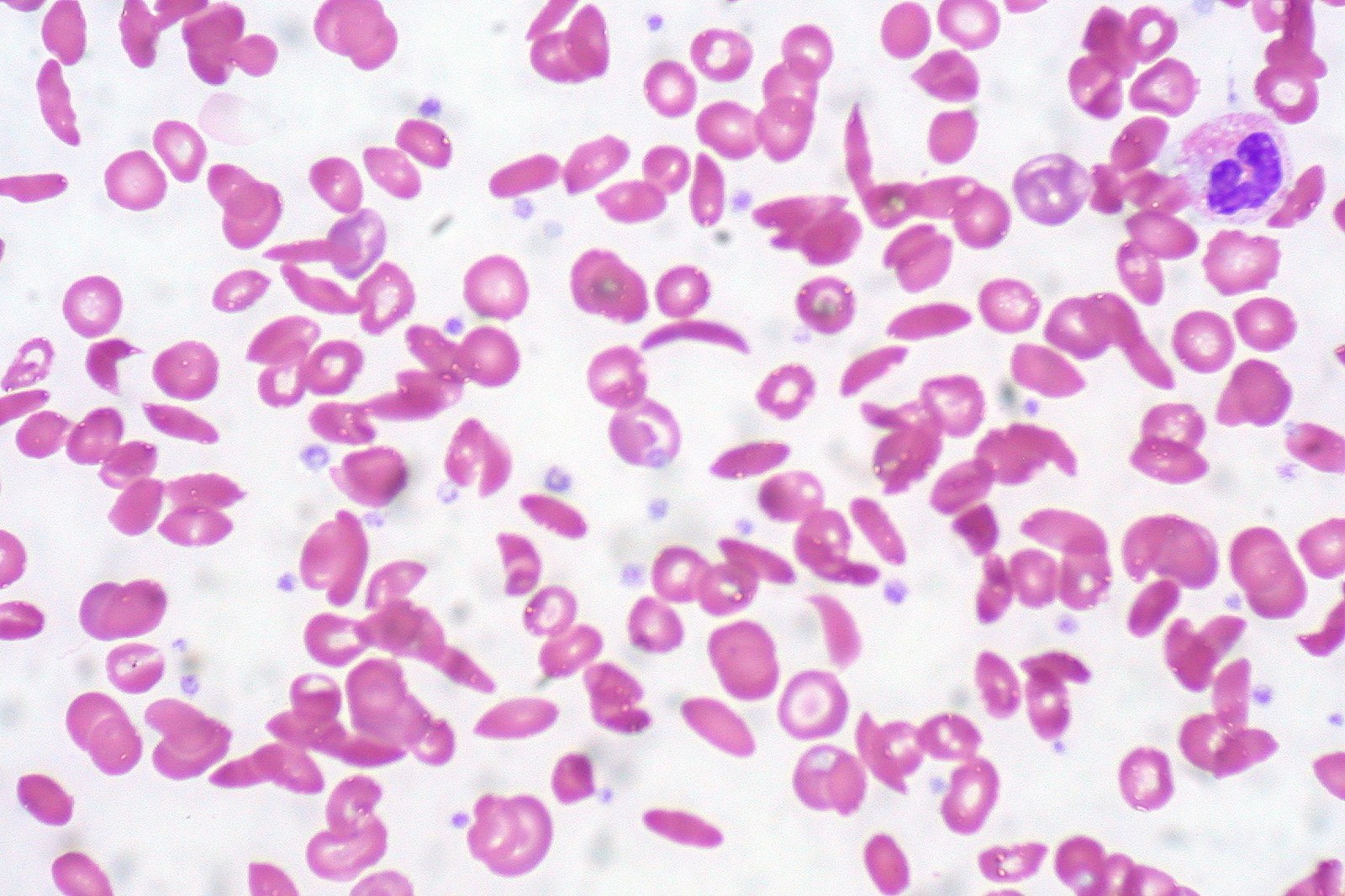
Beam Therapeutics said Tuesday that its one-time sickle cell treatment, risto-cel, met the main goal of its pivotal BEACON trial, putting the Cambridge, Mass., company on course to file what could be the first U.S. application for a base-editing therapy as early as the end of 2026, Clinical Trials Arena reported. If approved, it would be the third genetic therapy for the disease.
The readout matters well beyond one drug. It is the first positive late-stage result for base editing, a newer form of gene editing that changes single letters of DNA without cutting through it, BioPharma Dive reported. It also lands as the market for these one-time treatments is finally growing: Vertex recorded $219 million in sales of its rival therapy, Casgevy, through the first nine months of 2026, according to the same report.
The trial result itself was clear but sparse. As of an Oct. 20 data cutoff, 39 adults and 10 adolescents had been treated, and 31 patients had completed the follow-up needed to count toward the primary endpoint: freedom from severe vaso-occlusive crises, the painful episodes that send patients to the hospital, for at least 12 consecutive months. The company said the result was independently adjudicated and that the study met all secondary endpoints, including 12 consecutive months without an inpatient hospital stay for a severe crisis, as well as all primary safety endpoints at a prespecified interim analysis.
What Beam did not say moved the stock. The topline announcement did not include percentages, fetal hemoglobin levels or counts of side effects, Gene Tech Times noted. Beam's shares fell as much as 10% in Tuesday morning trading, BioPharma Dive reported. Detailed pivotal results are planned for a medical meeting in 2027, and data from an earlier cutoff will be presented orally at the American Society of Hematology annual meeting, set for December 12 to 15 in New Orleans.
Chief executive John Evans called the results "a defining milestone for risto-cel and for Beam's base editing technology more broadly" and said the company is focused on submitting its application as early as year-end.
The science explains the excitement. Risto-cel is made from a patient's own blood stem cells, which are edited in the promoter regions of two fetal hemoglobin genes. The edit is designed to stop a repressor protein called BCL11A from binding there and switching those genes off. Fetal hemoglobin does not sickle, so the goal is to mimic people who naturally keep making it into adulthood and tend to have much milder disease. Earlier BEACON results published in the New England Journal of Medicine in April showed average fetal hemoglobin rising above 60% and anemia resolving in every patient, according to Gene Tech Times.
The limits are familiar ones. Like the approved therapies, risto-cel still requires stem cell collection, chemotherapy conditioning with busulfan and a transplant, a process that carries serious risks, including infertility and infections. The editing is new; the hospital procedure around it is not.
The commercial test may be harder than the clinical one. Casgevy, from Vertex and CRISPR Therapeutics, and Lyfgenia were both approved in December 2023 and both started slowly. Genetix Biotherapeutics, formerly Bluebird Bio, sold itself after struggling to market Lyfgenia and other gene therapies, and only five people received Casgevy in the second half of 2024, BioPharma Dive reported. Casgevy has since picked up, reaching 64 patients and $116 million in revenue in 2025. Beam's management told RBC Capital Markets analysts in September that uptake has been held back by supply constraints rather than weak demand, and the analysts said risto-cel's shorter manufacturing process could appeal to hospitals.
The stakes for patients are large. Sickle cell disease affects an estimated 100,000 people in the U.S. and about eight million worldwide, according to Beam. The company's chief medical officer, Amy Simon, has estimated that about 10,000 U.S. patients are eligible for gene therapies, Gene Tech Times reported.
The filing would add to a busy run of FDA decisions this month, including Bayer's new stroke drug, as we reported earlier. More coverage is on the Healthcare Sector page.
Next up is the application itself. Risto-cel already holds orphan drug and Regenerative Medicine Advanced Therapy designations, and Beam plans to submit its biologics license application to the FDA as early as the end of 2026.
Sources
- Gene Tech Times noted · https://www.genetechtimes.com/post/beam-s-base-edited-sickle-cell-therapy-hits-its-pivotal-goal-setting-up-the-first-base-editing-bla
- Beam Therapeutics Announces Positive Topline Pivotal Data from BEACON Phase 1/2 Trial of Risto-cel in Patients with Sickle Cell Disease · https://www.globenewswire.com/news-release/2026/11/10/3399328/0/en/beam-therapeutics-announces-positive-topline-pivotal-data-from-beacon-phase-1-2-trial-of-risto-cel-in-patients-with-sickle-cell-disease.html
- Beam Therapeutics to seek approval of SCD cell therapy after trial success · https://www.clinicaltrialsarena.com/news/beam-therapeutics-to-seek-approval-of-scd-cell-therapy-after-trial-success/
- Beam's Base-Edited Sickle Cell Therapy Hits Its Pivotal Goal, Setting Up the First Base-Editing BLA · https://www.genetechtimes.com/post/beam-s-base-edited-sickle-cell-therapy-hits-its-pivotal-goal-setting-up-the-first-base-editing-bla
- Beam's base editing therapy for sickle cell hits goal in pivotal trial · https://www.biopharmadive.com/news/beam-sickle-cell-base-editing-risto-cel-results/874242/
Corrections: team@1nfluenc3.com
How we source and correct: Editorial Standards. Spot an error? Corrections.