
Honda bets $3 billion on a new Ohio plant to meet U.S. hybrid demand
The plant near Marysville will add capacity for 240,000 vehicles a year and more than 2,000 jobs from 2029.
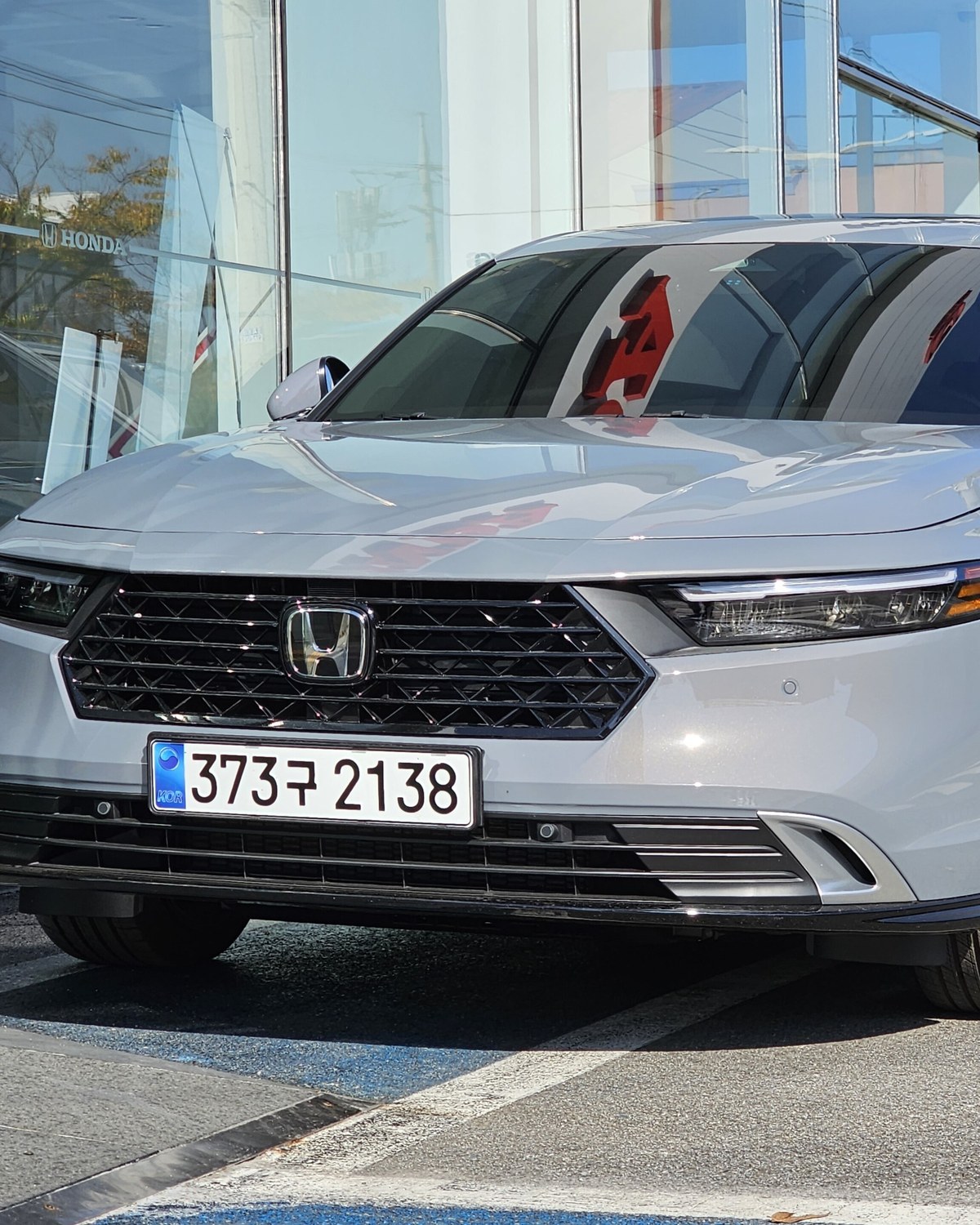
Honda is betting $3 billion that American drivers want more hybrids than it can build. The Japanese automaker said Monday it will put up a new auto plant in central Ohio, its first new mass-production U.S. assembly plant since it opened a factory in Indiana in 2008, with room for 240,000 vehicles a year and more than 2,000 jobs, according to the company. Production is expected to begin in 2029, pending final government approvals.
The plant will sit on land between Honda's existing East Liberty and Marysville auto plants, northwest of Columbus. It will be the company's fourth auto plant in Ohio and its ninth auto-related production facility in the U.S. Honda said it will be able to build hybrid, gasoline-powered and battery-electric vehicles, though it declined to say which models it will make there, CNBC reported. With the new capacity, Honda's U.S. auto production capacity will rise to about 1.3 million vehicles a year, and its North American capacity to about 1.9 million.
The demand case is simple, according to Bob Nelson, executive vice president of American Honda Motor. He put it bluntly in remarks carried by Forbes: "We're full capacity here in North America and we need more capacity based on customer demand." About 30% of Honda's portfolio uses hybrid technology, and the company expects to more than double its hybrid capacity by the end of the decade, he said. In May, Honda said it plans to introduce 15 new Honda and Acura hybrid models globally by 2030, with North America expected to be the primary market for many of them.
The market is moving its way. Hybrids have accounted for 15.7% of new vehicles sold in the U.S. this year, according to National Automobile Dealers Association figures cited by Forbes. Demand for all-electric vehicles has softened since federal tax credits for EVs ended in September 2025. In May, Honda indefinitely suspended an $11 billion plan to produce electric vehicles and batteries in Canada, according to CNBC. It also canceled three planned EVs for the U.S. market.
Tariffs are part of the backdrop but not the reason, Nelson said. He told CNBC that tariffs are affecting the business despite its high level of local production, but that the bigger problem is customers who want Honda products the company cannot supply. He said Honda did not work with the Trump administration ahead of the announcement. The plan comes roughly two weeks after Audi said it would invest more than $4 billion in a new U.S. plant, an announcement made at a rally with President Donald Trump.
The Ohio plant anchors a wider buildout. Honda is retooling its Alabama Auto Plant to add capacity and build a new V6 hybrid engine, in one of the biggest renovations of the plant's first line since production began there in 2001. Its Anna Engine Plant in Ohio, the largest Honda engine plant in the world, is retooling a line for a next-generation four-cylinder engine. A transmission plant in Ohio is being converted to build two next-generation hybrid systems, which will raise hybrid system production capacity in the state by 250%, and a Georgia transmission plant will add a line for hybrid systems for larger vehicles.
Ohio Gov. Mike DeWine welcomed the decision. Honda "could have chosen to build this plant anywhere in the world," he said in a statement, but picked Ohio for its advantages. Honda said it picked the state for its skilled workforce, its nearby supplier base and its research operations, including the L-H Battery Company joint venture plant.
The roots are deep. Honda began building cars at its Marysville plant in 1982 and has built more than 33 million vehicles and more than 39 million engines in the U.S. since then, according to CNBC. Nearly 99% of the Honda and Acura vehicles sold in the U.S. in 2025 were made in North America, the company said, and it has invested more than $28 billion in its North American manufacturing operations.
The risk is timing. The new plant will not open until 2029, when tariffs and trade rules could look very different, Forbes noted. For now, Honda is choosing to add hybrid capacity close to its customers rather than wait. More manufacturing and corporate news is in the Capital Sector, including Boeing's plan to cut commercial jet jobs.
Sources
- according to the company · https://hondanews.com/en-US/honda-corporate/releases/honda-to-boost-us-hybrid-production-with-new-3-billion-us-auto-plant-and-investments-in-multiple-facilities
- CNBC reported · https://www.cnbc.com/2026/11/09/honda-to-invest-3-billion-in-new-vehicle-assembly-plant-in-ohio.html
- Forbes · https://finance.yahoo.com/economy/policy/articles/inside-honda-3-billion-bet-203437204.html
- Capital Sector · https://1nfluenc3.com/capital/
- Boeing's plan to cut commercial jet jobs · https://1nfluenc3.com/capital/boeing-to-cut-5-of-commercial-jet-workers-as-737-max-ramp-slows/
- Honda to Boost U.S. Hybrid Production with New $3 Billion U.S. Auto Plant and Investments in Multiple Facilities · https://hondanews.com/en-US/honda-corporate/releases/honda-to-boost-us-hybrid-production-with-new-3-billion-us-auto-plant-and-investments-in-multiple-facilities
- Honda to invest $3 billion in new vehicle assembly plant in Ohio · https://www.cnbc.com/2026/11/09/honda-to-invest-3-billion-in-new-vehicle-assembly-plant-in-ohio.html
- Inside Honda’s $3-Billion Bet On Hybrid Vehicles · https://finance.yahoo.com/economy/policy/articles/inside-honda-3-billion-bet-203437204.html
Corrections: team@1nfluenc3.com
How we source and correct: Editorial Standards. Spot an error? Corrections.