
Fed raises check-processing fees as volumes slide and costs jump
Reserve Banks expect check services to recover only 78.9% of costs in 2027 as they lift fees and trim operating hours.
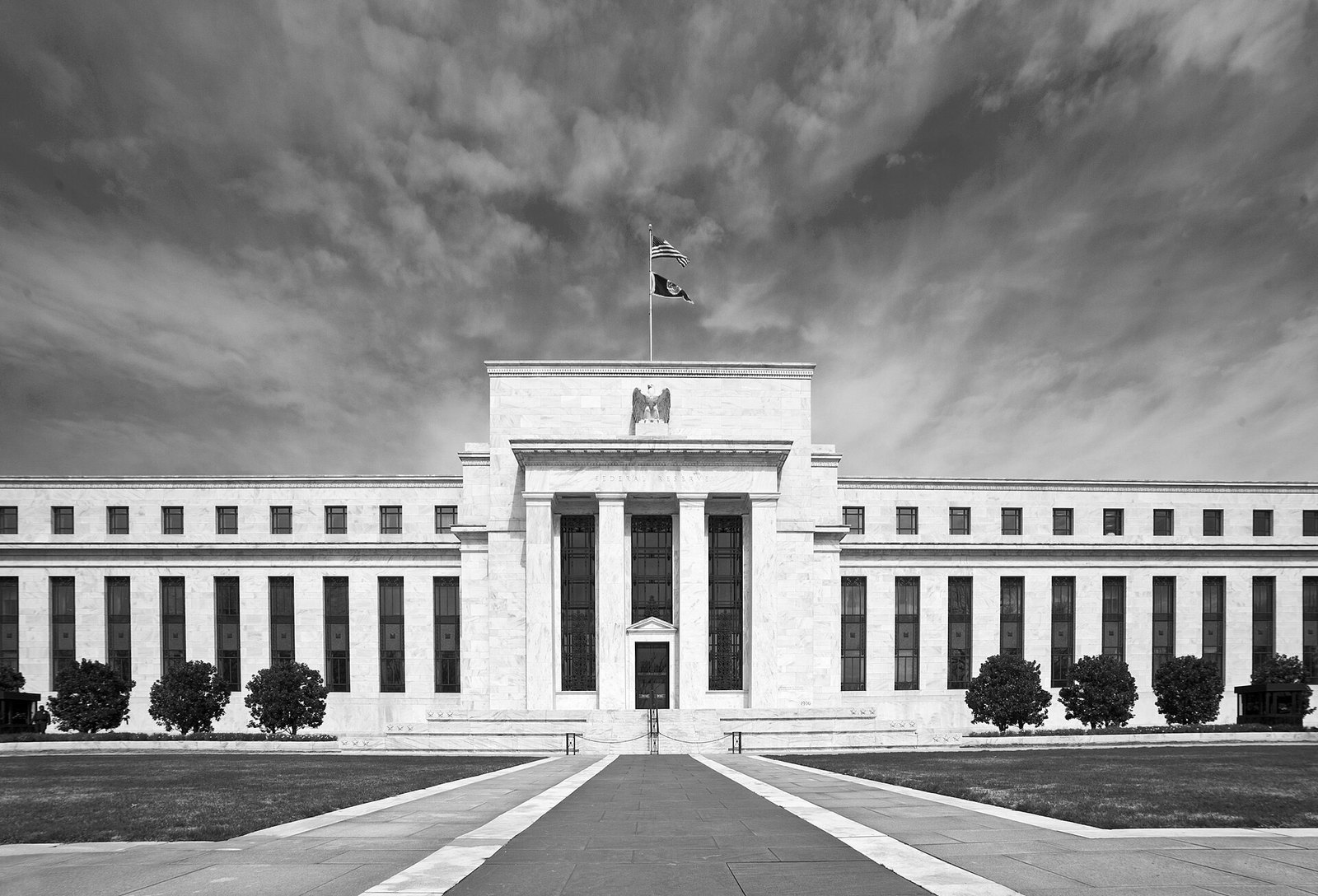
The Federal Reserve will charge banks and credit unions more to clear paper checks next year, as falling volumes and costly infrastructure upgrades push the central bank's check business into the red. The Board announced the 2027 price schedule for the Reserve Banks' priced services on Thursday, effective Jan. 1, 2027.
The move goes to the heart of a quiet tension in American payments. Checks are fading, yet lenders, businesses and many smaller institutions still lean on the Reserve Banks to process them. Staff told the Board in an Oct. 23 memo that check services are expected to cover only 78.9 percent of their expenses and targeted return in 2027, the only mature service line not projected to break even.
Across all of its priced services, the Fed expects to recover 101.5 percent of actual and imputed expenses in 2027, including the return on equity a private firm would have earned. The changes add up to an estimated 1.4 percent average price increase for established services. Under the Monetary Control Act of 1980, the Reserve Banks must set fees that recover their costs over the long run, which the Board measures over a rolling 10-year window for mature services. From 2016 through 2025 they recovered 103.7 percent.
The check numbers explain the urgency. According to the accompanying Federal Register notice, Reserve Bank check revenue is projected at $110.8 million in 2027, up $3.5 million, or 3.2 percent, from this year's forecast. Expenses are projected at $137.7 million, a rise of $26.9 million, or 24.3 percent, driven by investments needed to keep core processing reliable. For 2026 the service is forecast to recover 94.5 percent.
Volume keeps shrinking faster than planned. Through August 2026, commercial forward check volume ran 8.7 percent below the same period a year earlier, and return volume was down 4.2 percent. For the full year, the Reserve Banks now expect forward volume to drop 8.1 percent, against a budgeted decline of 6.0 percent. The number of checks written in the U.S. fell from approximately 40 billion in 2000 to about 9 billion in 2024, according to the Fed's payments study.
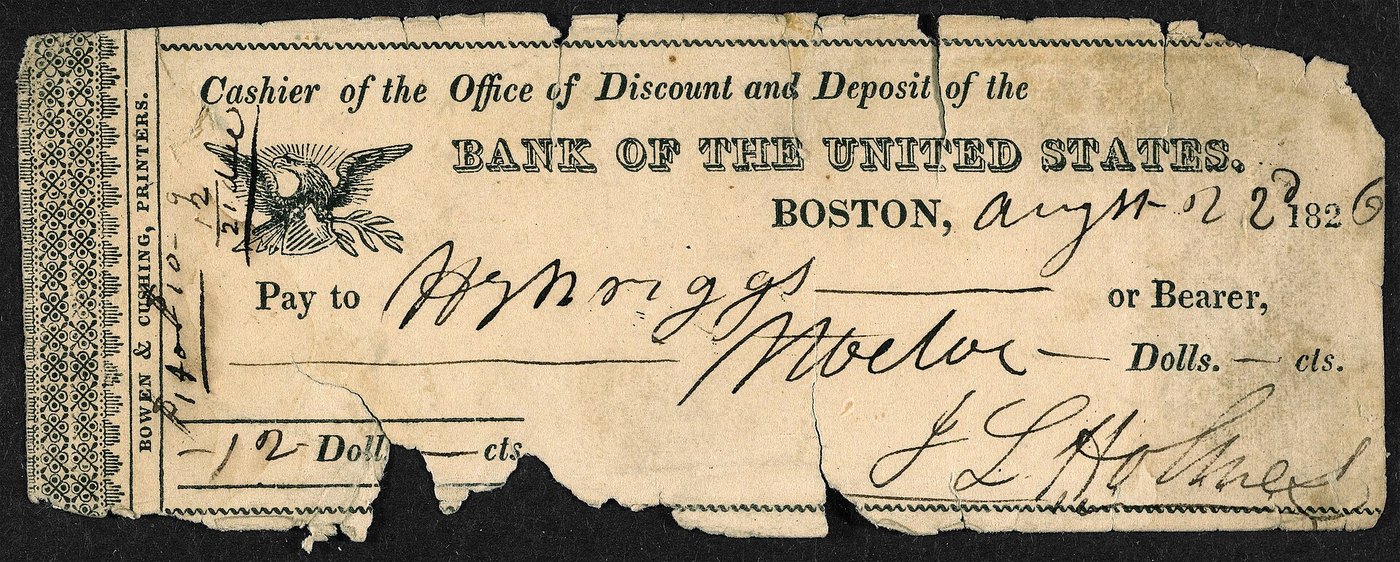
The sharpest increase lands on FedReceipt item fees, which will rise two hundred percent, from $0.0005 to $0.0015 per item. Fees for other premium features, including reject repair, premium delivery and FedImage, will climb by approximately twenty percent; reject repair moves from $0.30 to $0.36. The Reserve Banks will also retire Presentment Point services, which have fewer than fifty users and have not handled any volume in years, and will shorten processing windows during quiet stretches such as some weekends and holidays.
The Fed framed the changes as the first in a multiyear plan rather than a one-off. The notice said the scale of the cost and revenue pressure will require "more significant fee increases than have been customary" along with simpler service features. The Board said the adjustments "do not impact consumers' and businesses' ability to pay with or receive checks" and affect only how banks and credit unions process checks with the Reserve Banks.
The plan follows a request for information the Board issued in December 2025 on the future of its check services, which drew more than 330 unique comments. Commenters said checks still meet needs that other payment methods do not, and described the Reserve Banks as a neutral provider with nationwide reach, particularly for smaller institutions. Many backed continued Fed involvement, with limited support for a substantial or rapid wind down, though some raised concerns about higher fees.
The Fed concluded that the Reserve Banks will keep providing core check processing. It also left the door open to a broader rethink: the Board said it will keep monitoring long-run cost recovery and, as needed, reassess the nature and scope of the Reserve Banks' role in check processing, weighing progress toward alternative payment methods. It said it would seek public comment if any future change would have significant longer-run effects on the payment system.
Outside checks, the 2027 schedule is mostly incremental. Fedwire Funds transfer fees will rise modestly and Fedwire Securities transfer and maintenance fees will fall. FedACH and FedNow fees are unchanged beyond those announced earlier in 2026. A new FRFS Access Fee bundles a suite of FedLine services, with a 25 percent discount for eligible customers, while several connectivity fees are cut or eliminated; staff described that overhaul as designed to be revenue neutral in 2027. The full schedule is posted on FRBservices.org. For more on banks and markets, see the 1NFLUENC3 Capital desk.
Sources
- priced services · https://www.federalreserve.gov/paymentsystems/pfs_about.htm
- check services · https://www.federalreserve.gov/paymentsystems/check_about.htm
- payments study · https://www.federalreserve.gov/paymentsystems/fr-payments-study.htm
- FRBservices.org · https://www.frbservices.org/resources/fees
- 1NFLUENC3 Capital desk · https://1nfluenc3.com/capital/
- Federal Reserve Board announces pricing, effective January 1, 2027, for payment services the Federal Reserve Banks provide to banks and credit unions, and changes to streamline and adjust their check services · https://www.federalreserve.gov/newsevents/pressreleases/other20261112a.htm
- Board memo: Proposed 2027 Private Sector Adjustment Factor and Fee Schedules for Priced Services · https://www.federalreserve.gov/newsevents/pressreleases/files/other20261112a1.pdf
- Federal Register notice: Federal Reserve Bank Services, 2027 fee schedules and private sector adjustment factor · https://www.federalreserve.gov/newsevents/pressreleases/files/other20261112a2.pdf
Corrections: team@1nfluenc3.com
How we source and correct: Editorial Standards. Spot an error? Corrections.