
ExxonMobil signs Venezuela oil pact after calling it uninvestable
The non-binding deal with PDVSA is Exxon's first formal step back since Hugo Chavez seized its projects.
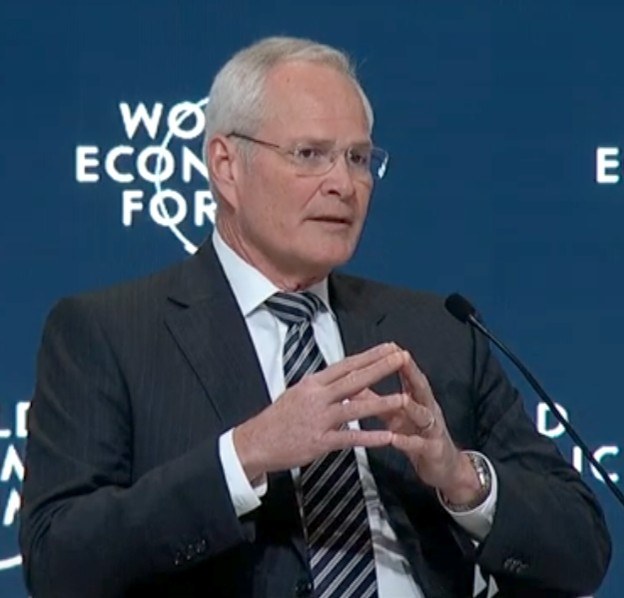
ExxonMobil, the largest U.S. oil company, has taken its first formal step back into Venezuela, signing a memorandum of understanding with state oil company PDVSA to evaluate upstream opportunities, Reuters reported. The agreement is non-binding and does not commit Exxon to any project. But it marks a sharp turn for a company whose chief executive, Darren Woods, called the country "uninvestable" in January, and it hands the Trump administration a marquee name in its push to rebuild Venezuela's oil industry with American companies in leading roles.
Exxon chose its words carefully. "This memorandum is a meaningful first step, but any future investment would require stable policies, clear regulations, strong investment protections and competitive returns," the company said in a statement. It did not say which fields it is evaluating, and a definitive joint-venture or production-sharing contract would be needed before it could take part in exploration or production.
Caracas was less restrained. Interim President Delcy Rodriguez led the signing ceremony on Monday, which was broadcast on state television, and welcomed the company back, according to Reuters. The Venezuelan government said the pact contemplates reactivating existing deposits as well as exploring new fields, and bne IntelliNews reported that it covers heavy and extra-heavy crude mainly in the Orinoco Belt. PDVSA President Héctor Obregón and Exxon country executive Andrés Acosta signed the document, with Exxon upstream president Dan Ammann in attendance, according to the state broadcaster RNV.
The history explains the caution. When Hugo Chavez's government pushed foreign producers into joint ventures controlled by PDVSA in 2007, Exxon walked away instead of taking a minority position. That decision cost it a 41.67% stake in the Cerro Negro heavy oil project, now called Petromonagas, and its interest in the La Ceiba field. A World Bank arbitration body awarded the company $1.6 billion plus interest in 2014, Reuters reported, and Venezuela has challenged that ruling ever since. Part of the award was later annulled, bne IntelliNews reported, and Exxon is still trying to enforce a larger figure in federal court in Washington, a claim the memorandum does not resolve.
Petromonagas carries another complication. A Russian state-owned company, Roszarubezhneft, now holds the 40% interest that Rosneft built up in the venture in 2016, according to bne IntelliNews. That sits awkwardly with the White House, which wants more American companies in Venezuela and fewer from Russia and China.
The country Exxon would return to has changed. U.S. forces captured Nicolas Maduro in January, and Rodriguez's interim government has since rewritten the hydrocarbons law to open the sector to foreign investment. The state still needs a majority in PDVSA joint ventures, though the threshold drops from 60% to just over 50%. More important for Exxon, a new kind of production contract allows private companies to explore, produce and export on their own, with no joint venture and no state stake. Venezuelan oil revenue held in designated U.S. Treasury accounts is shielded from creditors under an executive order, which leaves open the question of who ultimately controls the cash.
Exxon also starts well behind its rivals. Chevron never left the country; it is targeting about 300,000 barrels a day of gross output from its three joint ventures by the end of 2026 and committed $7 billion to raising production. Eni signed a 25-year contract in September to operate the Junin 5 field, and Harold Hamm's Continental Resources signed its own non-binding memorandum for the Ayacucho 2 block. PDVSA's own production is down to roughly 450,000 barrels a day.
For investors, the signal matters more than the barrels for now. Woods told analysts as recently as Oct. 30 that more reforms were needed before any major entry, and the company has said it is not in a rush. A memorandum gives Exxon a seat at the table without putting capital at risk. Whether it becomes a project depends on a contract that has not been written and a claim that has not been settled. More on the deals moving markets is in our Capital Sector, including our report on Botswana's bid to double its De Beers stake, another government pushing deeper into its own resources.
Sources
- Reuters reported · https://www.newsource.gy/exxon-signs-preliminary-agreement-with-venezuela-to-assess-oil-opportunities/
- bne IntelliNews reported · https://www.intellinews.com/reluctant-exxon-takes-first-step-into-trump-s-venezuela-oil-push-483475/
- Capital Sector · https://1nfluenc3.com/capital/
- Botswana's bid to double its De Beers stake · https://1nfluenc3.com/lifestyle-fashion/botswana-to-double-de-beers-stake-to-30-backing-gareth-penny-s-consortium/
- Reluctant Exxon takes first step into Trump’s Venezuela oil push · https://www.intellinews.com/reluctant-exxon-takes-first-step-into-trump-s-venezuela-oil-push-483475/
- ExxonMobil signed preliminary oil deal with Venezuela and PDVSA · https://qz.com/exxonmobil-signed-preliminary-oil-deal-venezuela-pdvsa-111026
- President Delcy Rodríguez leads signing of agreement between PDVSA and ExxonMobil - RNV · https://rnv.gob.ve/president-delcy-rodriguez-leads-signing-of-agreement-between-pdvsa-and-exxonmobil/
Corrections: team@1nfluenc3.com
How we source and correct: Editorial Standards. Spot an error? Corrections.